Quick Conversions
Aluminum Scrap Price Per Kg — 10-Day Market Trend
All prices in ₹ per gram · daily rate, updated once per day
Aluminum Scrap Price Per Kg Today in India
The number most buyers want first is simple: what is the aluminum scrap price per kg right now? Using today’s live aluminium benchmark, the underlying metal value stands at ₹0.29 per gram on September 17, 2026, which converts to roughly ₹286.81 per kg before yard-level discounts or premiums. That distinction matters. Scrap is not exchange-grade metal. A clean bundle of extrusion offcuts does not trade like oily turnings, and neither of them trade exactly in line with MCX aluminium futures even though MCX remains the reference screen most dealers watch through the day.

For traders in Delhi, Ahmedabad, Rajkot, Coimbatore, Pune or Hyderabad, the quoted aluminium bhav for scrap usually starts from the primary metal rate and then adjusts for grade, recovery, freight and melting loss. Internationally, LME aluminium drives the benchmark. Domestically, MCX aluminium gives the rupee-denominated cue. The actual scrap deal happens in the gap between those two benchmarks and the physical reality of the lot sitting on the floor.
- 1 gram: ₹0.29
- 10 grams: ₹2.87
- 100 grams: ₹28.68
- 1 kg: ₹286.81
- 1 metric tonne: ₹286,811.00
Benchmark metal value versus real scrap deals
If you are selling old sheet cuttings, cable scrap, utensil scrap or factory-generated offcuts, don’t assume the benchmark kg value is the final yard rate. Secondary aluminium buyers buy recovery, not just gross weight. A load with paint, attachments, rubber, steel screws or moisture will be priced tighter. By contrast, segregated clean wrought scrap can hold close to the aluminium spot price after normal trade deductions. That is why serious buyers ask for photos, alloy type and source before giving a firm rate.
Aluminum Scrap Price Per Kg and Weight Conversion Table
Today's Aluminium rate is Less than One Rupees per gram. At this rate, 10 grams of Aluminium costs Three Rupees.
| Unit | Weight | Price (INR) | Price in Words |
|---|---|---|---|
| 1 Gram | 1.0000 g | ₹0.29 | Less than One Rupees |
| 8 Grams | 8.0000 g | ₹2.29 | Two Rupees |
| 10 Grams | 10.0000 g | ₹2.87 | Three Rupees |
| 100 Grams | 100.0000 g | ₹28.68 | Twenty Nine Rupees |
| 1 Kilogram | 1,000.0000 g | ₹286.81 | Two Hundred and Eighty Seven Rupees |
| 1 Ounce (oz) | 28.3495 g | ₹8.13 | Eight Rupees |
| 1 Troy Ounce | 31.1035 g | ₹8.92 | Nine Rupees |
| 1 Metric Ton | 1,000,000.0000 g | ₹286,811.00 | Two Lakh Eighty Six Thousand Eight Hundred and Eleven Rupees |
What Actually Moves the Aluminium Scrap Rate in the Indian Market
Scrap pricing looks local. The forces behind it are not. The first driver is the international benchmark for LME grade A aluminium, because Indian recyclers, ingot makers and stockists all anchor their view of fair value to primary metal. Add USD/INR movement, shipping costs and the broad effect of import duty structure, and you have the base from which local aluminium scrap price per kg negotiations begin. A buyer in Bhiwandi or Faridabad may never mention all of that in one sentence, but it is sitting behind the quote anyway.
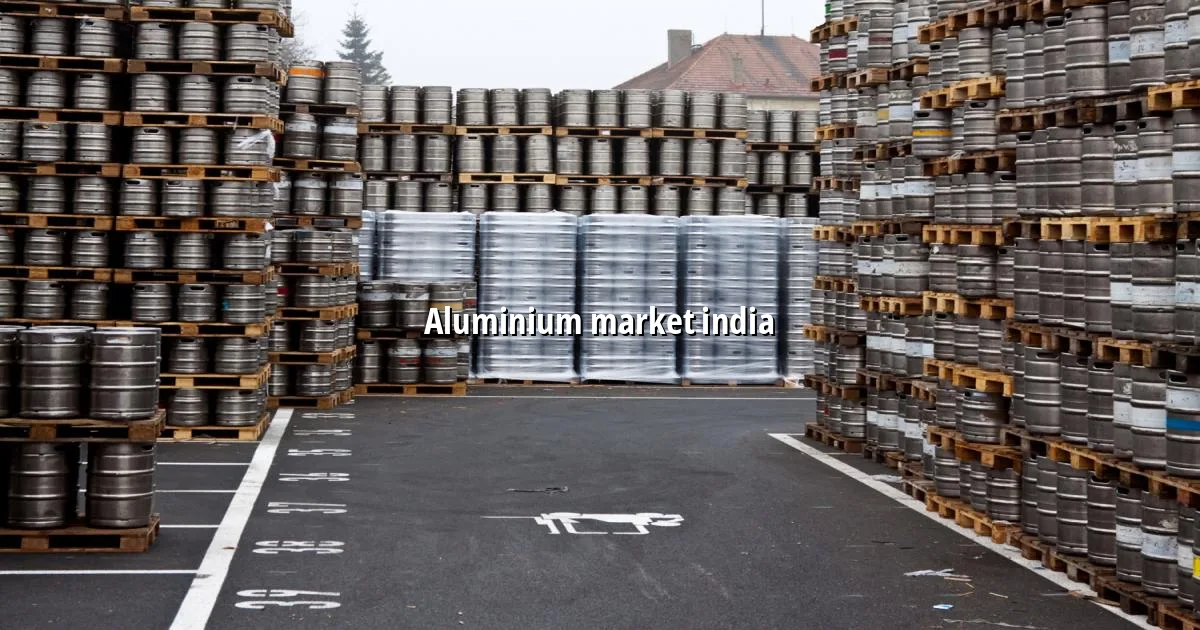
Primary metal sets the tone, scrap follows with a spread
India’s reference market for exchange-traded price discovery is MCX aluminium. That futures contract reacts quickly to moves in the global market, especially when LME aluminium jumps on stronger Chinese demand, power curbs at smelters or a weaker dollar. China still accounts for roughly 60% of global primary aluminium output, so any policy move affecting Chinese smelter production can ripple into Indian aluminium rate expectations within hours. Scrap responds, but with its own lag and its own logic.
A clean lot of extrusion 6063 scrap is one thing. Mixed cast wheels are another. Then you have foil scrap, old utensils, radiator scrap, tense scrap, twitch and mixed profile scrap. Each carries a different metal yield and alloy chemistry. Buyers paying for remelt feed care about silicon, magnesium, iron and contamination because those factors affect furnace efficiency and the final secondary aluminium quality. That is why the spread between primary aluminium and secondary aluminium can widen sharply when supply is messy.
Power costs, alloy demand and fabrication use all matter
Aluminium smelting is power-hungry, so coal and electricity costs remain a real market signal. Even scrap consumers feel it because remelters and secondary ingot producers pass through energy cost where they can. On the demand side, aluminium sheet price, aluminium foil price and aluminium ingot price do not always move in lockstep, but they influence scrap appetite. Strong orders from packaging, construction and auto-component makers usually lift buying interest for clean scrap. A slowdown in construction or weak export orders can do the opposite.
One more point that buyers often overlook: the landed cost of imported metal still shapes domestic bargaining. In broad terms, traders track the effect of about 7.5% basic customs duty on relevant aluminium imports along with GST and freight. If landed primary or semi-finished metal becomes expensive, local scrap gains pricing power. That tends to support domestic aluminium scrap price per kg, especially for sorted industrial grades.
Aluminum Scrap Price Per Kg — Last 10 Days
The most recent Aluminium price on record (2026-09-17) is Less than One Rupees per gram.
| Date | Price (INR/g) | Change |
|---|---|---|
| 2026-09-17 | ₹0.29 | +0.00 |
| 2026-09-16 | ₹0.29 | +0.00 |
| 2026-09-15 | ₹0.28 | +0.00 |
| 2026-09-14 | ₹0.28 | 0.00 |
| 2026-09-13 | ₹0.28 | +0.00 |
| 2026-09-12 | ₹0.28 | 0.00 |
| 2026-09-11 | ₹0.28 | 0.00 |
| 2026-09-10 | ₹0.29 | 0.00 |
| 2026-09-09 | ₹0.29 | +0.00 |
| 2026-09-08 | ₹0.29 | — |
How to Read the Bigger Trend in Aluminium Scrap Prices
Scrap aluminium is a cyclical market. It strengthens when factories are busy, packaging demand is healthy and downstream buyers expect finished goods movement to improve. It softens when manufacturing slows, inventories build or yards see heavy inflow from demolition and industrial clearances. If you only look at the yard quote of the day, you miss half the story. The better approach is to track the benchmark through MCX aluminium futures, compare that with recent LME aluminium movement, and then judge whether the local scrap spread is tightening or widening.
That spread tells you a lot. A narrowing spread usually means buyers are competing for material, especially clean segregated scrap with reliable recovery. A wider spread often signals caution: maybe downstream mills are not lifting enough metal, maybe freight has risen, maybe the lot quality is poor, or maybe the market expects primary aluminium to correct. Fabricators buying for remelting should watch this closely because a small change in scrap spread can alter working margins more than a headline move in the exchange price.
Seasonality creeps in too. Pre-summer construction activity can improve demand for window sections, facades and extrusions, which indirectly supports certain aluminium alloy scrap categories. Festive-season packaging demand helps foil and can-related consumption. Monsoon months can slow construction-led offtake in parts of India, and local scrap yards often feel that pause quickly. The pattern is not perfect every year, but regular buyers know it exists.
From a supply point of view, India has strong domestic players such as Hindalco and Vedanta in the primary aluminium chain, yet the market still responds to global pricing because aluminium is deeply international. That is why any serious buyer comparing aluminium spot price, aluminium ingot price and aluminium scrap price should keep one eye on domestic availability and the other on overseas cues. Exchange screens move first; physical deals adjust after that.
For investors, aluminium is not a retail product in the way gold is. There are no sovereign bonds or mainstream digital aluminium SIP products for small buyers. The practical routes are commodity exposure through futures-linked strategies, diversified funds with base-metal sensitivity, or simply better industrial procurement timing if you run a factory. For recyclers and traders, the opportunity is more direct: buy clean, sort well, control recovery loss and sell into strength rather than panic-moving material on weak days.
So if your focus is aluminum scrap price per kg, use today’s rate as the starting point, not the whole answer. Benchmark metal gives you the direction. Scrap grade, alloy family, contamination and local demand determine the real cheque amount.
Aluminum Scrap Price Per Kg — FAQs for Buyers and Traders
Based on today’s live aluminium benchmark, the indicative aluminum scrap price per kg works out from a spot value of ₹0.29 per gram as of September 17, 2026. That puts the benchmark equivalent near ₹286.81 per kg, although actual scrap deals can trade at a discount depending on grade, recovery and contamination.
Primary aluminium tracks LME grade A aluminium and MCX aluminium futures more closely because it has standardised purity. Scrap aluminium can contain paint, iron, plastic, oil, moisture or mixed alloys, so yards and buyers usually apply a discount versus benchmark metal. Clean extrusion scrap and tense scrap generally fetch better rates than mixed sheet or dirty cast scrap.
Most Indian scrap buyers use MCX aluminium and LME aluminium as the reference point for negotiation. If LME rises and USD/INR stays firm, domestic aluminium bhav usually strengthens. Scrap follows that move, but not one-for-one; the spread changes with local availability, freight, melting losses and alloy demand.
At today’s benchmark price of ₹0.29 per gram, 1 metric tonne works out to ₹286,811.00. Scrap cargo pricing for a tonne may be lower or higher than this benchmark depending on whether the material is clean segregated scrap, aluminium alloy scrap, used beverage can scrap or mixed industrial scrap.
Yes. Imported aluminium and semi-finished metal landed into India feel the effect of currency movement, logistics and tax structure. For benchmark pricing, traders also watch the broad impact of about 7.5% basic customs duty on relevant aluminium imports along with GST. Even when scrap itself is negotiated locally, those landed-cost signals influence domestic offers.
Clean, sorted grades usually command the best aluminium scrap price per kg. Extrusion scrap, clean wire, litho sheets and segregated wrought scrap often trade stronger than mixed turnings, painted sheet, foil scrap or contaminated cast scrap. The final rate depends on alloy family, metal recovery, moisture and whether the buyer needs primary or secondary aluminium feed.
