Quick Conversions
Pure Aluminium Price Per Kg — 10-Day Trend
All prices in ₹ per gram · daily rate, updated once per day
Pure Aluminium Price Per Kg in India Today
Pure aluminium price per kg in India is ₹0.29 today, and that figure matters far more than a casual spot quote. Fabricators, cable makers, extrusion units, and traders look at the rate in kilograms because that is how the metal actually moves through the market. The domestic number is tied to LME aluminium, then adjusted for currency, import duty, freight, and local inventory pressure.
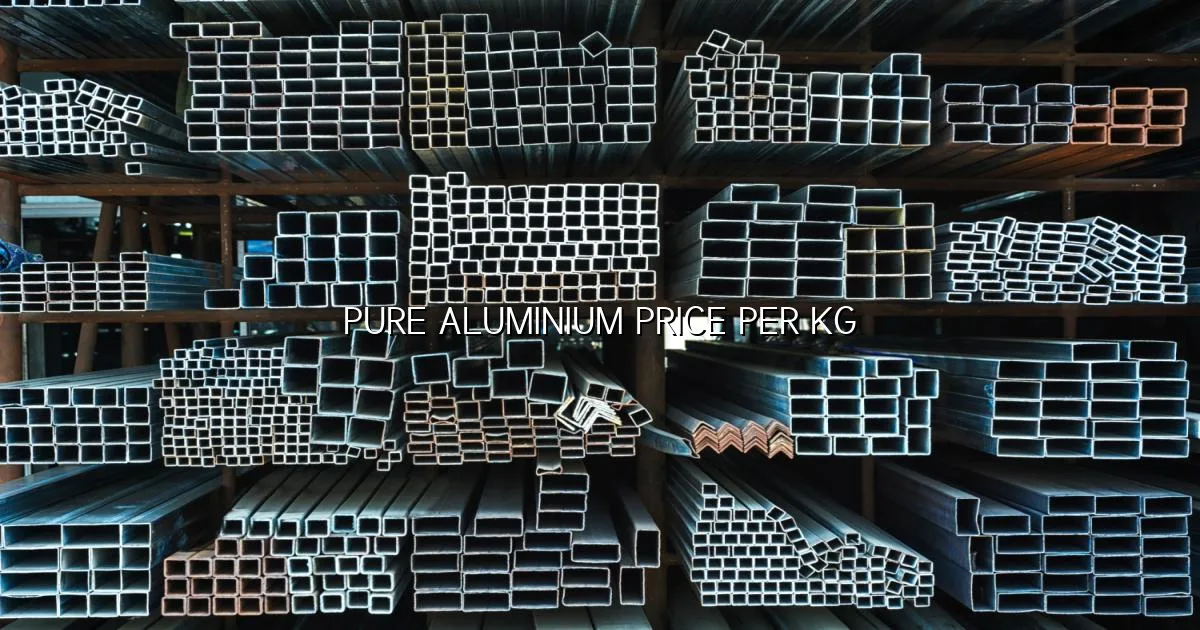
The headline price you see here tracks the same chain that drives MCX aluminium futures. If LME grade A aluminium firms up overnight and the rupee slips, the Indian per kg rate usually wakes up higher the next session. That is the basic mechanism. No mystery, just import parity doing its job.
- 1 gram: ₹0.29
- 10 grams: ₹2.86
- 100 grams: ₹28.58
- 1 kg: ₹285.79
- 1 metric tonne: ₹285,787.00
That tonne figure is the one procurement teams care about most. A small move in the per kg aluminium rate quickly becomes a meaningful swing in a truckload, a container, or a monthly mill contract.
Pure Aluminium Price by Weight and Tonnes
Today's Aluminium rate is Less than One Rupees per gram. At this rate, 10 grams of Aluminium costs Three Rupees.
| Unit | Weight | Price (INR) | Price in Words |
|---|---|---|---|
| 1 Gram | 1.0000 g | ₹0.29 | Less than One Rupees |
| 8 Grams | 8.0000 g | ₹2.29 | Two Rupees |
| 10 Grams | 10.0000 g | ₹2.86 | Three Rupees |
| 100 Grams | 100.0000 g | ₹28.58 | Twenty Nine Rupees |
| 1 Kilogram | 1,000.0000 g | ₹285.79 | Two Hundred and Eighty Six Rupees |
| 1 Ounce (oz) | 28.3495 g | ₹8.10 | Eight Rupees |
| 1 Troy Ounce | 31.1035 g | ₹8.89 | Nine Rupees |
| 1 Metric Ton | 1,000,000.0000 g | ₹285,787.00 | Two Lakh Eighty Five Thousand Seven Hundred and Eighty Seven Rupees |
What Actually Moves Pure Aluminium Price Per Kg
The Indian rate is not set by one local trader sitting in a warehouse. It is built from the global benchmark, and the benchmark is LME aluminium. Then you layer in the rupee, duty, freight, financing, and the gap between primary metal and scrap-based secondary metal. That is why two quotes that sound similar can still land at different numbers on the shop floor.
Primary metal, scrap metal, and the real gap
Pure aluminium usually means primary aluminium, the kind that meets LME Grade A standards and comes with a purity level of about 99.7% or better. Buyers pay more for that because it behaves consistently in rolling, drawing, extrusion, and electrical use. Secondary aluminium, by contrast, comes from scrap. It can be perfectly useful, but the price is lower because remelted feedstock carries more sorting risk and a wider alloy spread. If you are buying aluminium foil stock or cable rod, that difference matters a great deal.
Imports still matter because India does not price aluminium in isolation. Basic customs duty, GST, freight, and financing costs sit on top of the global reference. When Chinese smelter output rises or power tariffs jump in energy-heavy regions, LME reacts first and MCX follows. China still accounts for roughly 60% of global primary aluminium production, so one policy move or one power shortage can change the tone across Asia in a hurry.
The end-user side has its own rhythm. Packaging demand picks up when foil and can stock orders rise. Construction adds pull through window frames, façades, roofing sheets, and other fabricated products. Automotive lightweighting and EV parts keep the alloy market busy as well, especially where 6061 and similar grades command a premium over plain commodity metal. The pure aluminium price per kg is the starting point, but the fabricated sheet price or foil price always reflects processing on top of it.
Pure Aluminium Price History — Last 10 Days
The most recent Aluminium price on record (2026-09-17) is Less than One Rupees per gram.
| Date | Price (INR/g) | Change |
|---|---|---|
| 2026-09-17 | ₹0.29 | +0.00 |
| 2026-09-16 | ₹0.29 | +0.00 |
| 2026-09-15 | ₹0.28 | +0.00 |
| 2026-09-14 | ₹0.28 | 0.00 |
| 2026-09-13 | ₹0.28 | +0.00 |
| 2026-09-12 | ₹0.28 | 0.00 |
| 2026-09-11 | ₹0.28 | 0.00 |
| 2026-09-10 | ₹0.29 | 0.00 |
| 2026-09-09 | ₹0.29 | +0.00 |
| 2026-09-08 | ₹0.29 | — |
How Traders and Buyers Should Read the Trend
Aluminium is cyclical. It behaves like an industrial metal, not a safe-haven asset, and that changes how you read the chart. One week of steady gains can vanish if supply loosens or if Chinese demand softens. That is why MCX aluminium futures and LME spot together give a better read than either one alone. The Indian market often looks calm right until it is not.
Seasonality also matters. Construction demand usually improves before the summer building season. Packaging can firm up around festive supply chains. Then the monsoon slows site work, and that shows up in procurement. It is not dramatic in the way a headline spike is, but the pattern is real enough for anyone buying aluminium ingot price or aluminium sheet price every month.
For investors, the angle is narrower. India does not have the kind of retail silver or gold wrappers that many consumers recognise, and aluminium does not sit inside sovereign bond-style products. Most exposure comes through MCX aluminium futures, base-metal funds, or plain industrial procurement. That is why the 52-week range matters. It tells you whether today’s pure aluminium rate per kg is near the middle of the cycle or sitting close to an extreme.
Domestic capacity is improving too. Hindalco, Vedanta, and other large producers have added scale over time, but import dependence has not disappeared. When local smelters run well and logistics stay clean, the market can soften. When power costs bite or import flows tighten, the rate moves quickly. Buyers who watch both LME aluminium and the rupee usually see the turn before the rest of the market catches up.
Pure Aluminium Price Per Kg — FAQs
The pure aluminium price per kg in India today is ₹0.29 as of September 17, 2026. The number moves with MCX aluminium futures, the LME aluminium benchmark, and the rupee.
In market language, yes, it usually points to primary aluminium that meets LME Grade A quality. Buyers in cable, extrusion, and sheet rolling normally compare the quoted rate against that benchmark, not scrap.
Start with LME aluminium in USD per metric tonne, convert it into rupees using the USD/INR rate, add freight, duty, and local overheads. In practice, MCX aluminium futures stay close to that import-parity structure.
At today’s rate, 1 metric tonne of pure aluminium works out to about ₹285.79. Fabricators often think in tonnes because shipments, contracts, and mill orders are booked that way.
Secondary aluminium comes from scrap and remelted material. It can trade at a discount because purity, alloy mix, and contamination matter. That discount widens when scrap supply is plenty and narrows when furnace operators need clean feedstock.
Yes. Basic customs duty, GST, freight, and financing costs all sit inside the domestic price. When LME moves sharply, the Indian rate does not just copy it line for line; the landed-cost math decides how far it can go.
