Quick Conversions
Today Aluminium Scrap Rate Per Kg — 10-Day Price Trend
All prices in ₹ per gram · daily rate, updated once per day
Today aluminium scrap rate per kg in India: what the benchmark is really telling you
If you are checking the today aluminium scrap rate per kg, the first number to anchor on is the live aluminium benchmark. As of September 17, 2026, the indicative aluminium price stands at ₹0.29 per gram, which translates to roughly ₹285.79 per kg before scrap-grade deductions. That distinction matters. Scrap yards, recyclers and local kabadi aggregators rarely pay the same as a primary aluminium ingot rate because they are buying recoverable metal, not perfect LME grade A units.
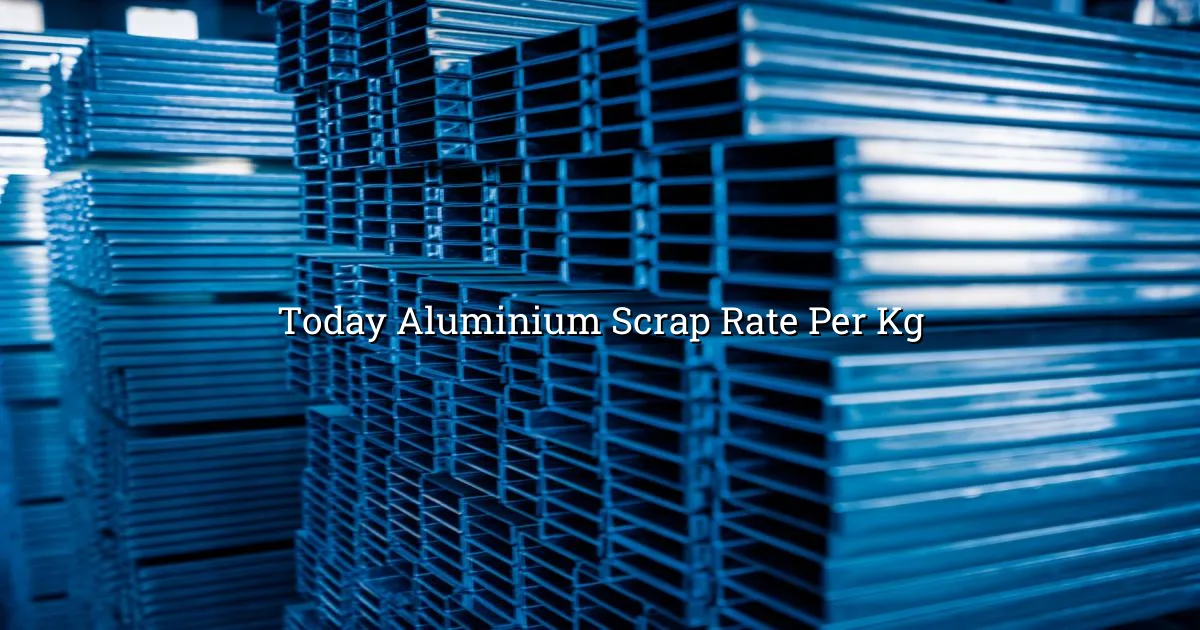
Even so, this live figure is useful. Dealers in Delhi, Ahmedabad, Rajkot, Coimbatore, Jaipur and Ludhiana often begin with the primary market tone and then shave off value for alloy mix, oxidation, moisture, paint, iron fittings and handling loss. If MCX aluminium futures open firm after a stronger LME aluminium session overnight, scrap sentiment usually improves too. Not instantly on every lane and every yard, but the direction filters through quickly.
Live conversion from today's aluminium benchmark
- 1 gram: ₹0.29
- 10 grams: ₹2.86
- 100 grams: ₹28.58
- 1 kg: ₹285.79
- 1 metric tonne: ₹285,787.00
For fabricators and small traders, that per kg view is the practical one. Aluminium scrap usually changes hands in sacks, bundles, loose offcuts and truck loads, so the per gram figure is mainly a conversion tool. The real negotiation happens on net recovery. Clean extrusion scrap can command a tight discount to primary aluminium. Mixed household scrap cannot. A buyer melting old windows, profile cuttings or sheet offcuts will price risk into every kilogram.
Need commercial procurement support?
If you buy aluminium scrap, ingots or fabricated metal for business use, keep a daily eye on benchmark moves before finalising local yard deals.
Contact UsToday Aluminium Scrap Rate Per Kg Across Trade Units
Today's Aluminium rate is Less than One Rupees per gram. At this rate, 10 grams of Aluminium costs Three Rupees.
| Unit | Weight | Price (INR) | Price in Words |
|---|---|---|---|
| 1 Gram | 1.0000 g | ₹0.29 | Less than One Rupees |
| 8 Grams | 8.0000 g | ₹2.29 | Two Rupees |
| 10 Grams | 10.0000 g | ₹2.86 | Three Rupees |
| 100 Grams | 100.0000 g | ₹28.58 | Twenty Nine Rupees |
| 1 Kilogram | 1,000.0000 g | ₹285.79 | Two Hundred and Eighty Six Rupees |
| 1 Ounce (oz) | 28.3495 g | ₹8.10 | Eight Rupees |
| 1 Troy Ounce | 31.1035 g | ₹8.89 | Nine Rupees |
| 1 Metric Ton | 1,000,000.0000 g | ₹285,787.00 | Two Lakh Eighty Five Thousand Seven Hundred and Eighty Seven Rupees |
Why scrap buyers watch MCX, LME and alloy quality before quoting a per kg rate
Scrap is local. Price discovery is not. That is the contradiction at the heart of the aluminium scrap trade in India. A yard in Bhiwadi or Pune may buy from local factories, demolition contractors and kabadi networks, yet the tone of that buying still depends on international aluminium. The chain usually starts with LME aluminium, moves through USD/INR, lands in India via import parity, and then shows up in MCX aluminium futures. From there, secondary smelters and scrap dealers work backward to a number they can actually pay.
Primary aluminium and scrap do not trade at the same rate
That catches many first-time sellers off guard. They search today aluminium scrap rate per kg, see the benchmark value, and assume they should get the same number for old utensils, cable scrap or mixed fabrication offcuts. In reality, primary aluminium is standardised metal. LME grade A aluminium sits at 99.7% minimum purity, and MCX aluminium futures track that benchmark in rupee terms. Scrap is messy. Some of it is clean and attractive to remelters. Some of it comes with rubber, steel screws, paint, dust or oil. The discount reflects the work needed to turn scrap back into usable metal.
Import economics also matter. India's market keeps one eye on landed cost, where basic customs duty of around 7.5% on many aluminium product categories, plus GST, freight and currency movement, influence replacement value. If imported primary aluminium or secondary alloy becomes more expensive, domestic scrap yards get room to bid more aggressively. If replacement cost eases, scrap buyers become selective. They start widening deductions. It is a straight commercial decision.
Which scrap grades usually fetch stronger aluminium bhav
Clean segregated scrap nearly always wins. Extrusion offcuts from window and facade fabricators, EC-grade wire scrap, old sheet cuttings without heavy paint, and sorted utensil scrap can trade much better than mixed low-grade material. Turnings and borings from machine shops are another story; they lose metal in melting and often carry cutting oil. A grossly cheap-looking lot can become expensive once recovery slips.
Alloy matters too. Aluminium alloy 6063 extrusion scrap is familiar territory for many secondary producers, so pricing is easier. Mixed cast scrap, pressure die-cast pieces and unidentified blended lots carry uncertainty. Buyers either test, sample and re-quote, or they quote low upfront. That is why the aluminium ingot price you see in the market and the aluminium scrap price you hear from a recycler can feel miles apart even on the same day.
One more factor sits in the background: China. The country accounts for roughly 60% of global primary aluminium production, so any shift in Chinese smelter output, power controls or inventory levels can move LME aluminium and, by extension, Indian sentiment. Add India's infrastructure build-out, growing aluminium foil consumption in food packaging, and demand from electrical cable and auto components, and you get a market that stays tightly linked across primary and scrap channels.
Track rates before you negotiate
Use the live benchmark, then adjust for scrap grade, alloy and melt loss. That is how experienced buyers and sellers avoid bad deals.
Get in TouchToday Aluminium Scrap Rate Per Kg — Last 10 Days
The most recent Aluminium price on record (2026-09-17) is Less than One Rupees per gram.
| Date | Price (INR/g) | Change |
|---|---|---|
| 2026-09-17 | ₹0.29 | +0.00 |
| 2026-09-16 | ₹0.29 | +0.00 |
| 2026-09-15 | ₹0.28 | +0.00 |
| 2026-09-14 | ₹0.28 | 0.00 |
| 2026-09-13 | ₹0.28 | +0.00 |
| 2026-09-12 | ₹0.28 | 0.00 |
| 2026-09-11 | ₹0.28 | 0.00 |
| 2026-09-10 | ₹0.29 | 0.00 |
| 2026-09-09 | ₹0.29 | +0.00 |
| 2026-09-08 | ₹0.29 | — |
How to read the aluminium scrap market beyond today's per kg rate
Aluminium is a cyclical industrial metal. Scrap follows the same broad arc, just with more local noise. If you only watch one day's aluminium bhav, you miss the bigger pattern that procurement teams and seasoned traders care about: where the benchmark sits versus the last month, where demand is coming from, and whether secondary smelters are building inventory or staying hand-to-mouth.
The cleanest way to track direction is simple. Start with LME aluminium for the global lead. Then watch MCX aluminium futures for the Indian translation of that move in rupees. After that, compare local scrap quotes by grade. If benchmark aluminium rises but dirty mixed scrap does not, that usually tells you buyers are nervous about recovery or demand in the remelt segment. If clean extrusion scrap firms quickly after an MCX rally, the market is signalling healthy secondary demand.
Seasonality plays its part. Construction and fabrication demand often improves before peak summer execution cycles, which can support scrap movement in profiles, sections and sheets. Monsoon months can slow project activity and disrupt material flows. Packaging demand tends to be steadier, while festive-season stocking can tighten specific segments, especially where aluminium foil price trends feed into converter margins. None of this turns scrap into a smooth market. It just explains why a dealer can quote one number in April and a noticeably softer one in August even if the long-term aluminium story still looks constructive.
For investors, aluminium is not like gold. There is no retail-friendly sovereign bond route and no mainstream digital aluminium SIP product in India. The real market instruments sit elsewhere: MCX futures for traders, commodity-focused funds with base metal exposure, and of course direct industrial procurement for businesses that consume the metal. For a small manufacturer, the value of tracking today aluminium scrap rate per kg is not academic. It can decide whether buying scrap, primary aluminium, or a specific secondary aluminium alloy makes more sense for the next production cycle.
India's domestic landscape is changing as well. Large producers such as Hindalco and Vedanta give the country meaningful primary aluminium capacity, but scrap and secondary metal remain critical because they lower energy intensity and serve a huge network of foundries, die casters, re-rollers and local remelters. That is why scrap pricing deserves its own attention. It sits at the intersection of global metal prices, local industrial demand and old-fashioned negotiation on the shop floor.
So use the live benchmark on this page for what it is: a disciplined starting point. Then apply the real-world filters that the trade uses every day. Grade. Purity. Recovery. Local freight. Buyer urgency. Once you do that, the per kg number starts to make sense.
Today Aluminium Scrap Rate Per Kg — FAQs
Based on today's live aluminium benchmark, the indicative aluminium scrap-linked rate works out from ₹0.29 per gram, or roughly ₹285.79 per kg on September 17, 2026. Actual scrap yard buying rates can trade below primary aluminium depending on alloy, contamination, paint, attachments and local demand.
Primary aluminium is priced off LME grade A aluminium and MCX aluminium futures, which reflect high-purity metal. Scrap carries deductions for sorting, melt loss, alloy uncertainty and impurities. In practice, mixed old scrap, extrusion scrap and turning scrap all command different rates, often at a discount to the benchmark primary aluminium rate.
Scrap dealers do not quote directly from MCX ticks every minute, but the market anchor still comes from MCX aluminium futures and the global LME aluminium price. Dealers then adjust for alloy grade, recovery percentage, transport and local furnace demand before giving a per kg scrap rate.
At today's benchmark aluminium price of ₹0.29 per gram, 100 kg works out to about ₹28,578.70 and 1 metric tonne works out to roughly ₹285,787.00. Scrap settlement values may be lower depending on quality and deductions.
Yes. Indian aluminium pricing is influenced by landed cost, and that means LME price, USD/INR, basic customs duty around 7.5% on many aluminium categories, freight and GST all matter. Even domestic scrap buyers keep an eye on import parity because it affects billet, ingot and secondary alloy replacement cost.
Clean extrusion scrap, wire scrap, utensil scrap with low contamination, and segregated alloy scrap usually fetch better rates than mixed sheet offcuts, painted sections, oily turnings or scrap with iron and plastic attachments. Buyers pay for recovery, not just gross weight.
