Quick Conversions
Aluminium Per Kg — 10-Day Trend
All prices in ₹ per gram · daily rate, updated once per day
Aluminium Per Kg in India Today
The aluminium per kg rate today is ₹0.29. That is the number most fabricators, traders and stockists want first, because it tells them whether a job sheet, extrusion order or remelt purchase still makes sense. The live Indian rate usually follows MCX aluminium and LME aluminium fairly closely, then picks up the local currency move and domestic premium on the way in.
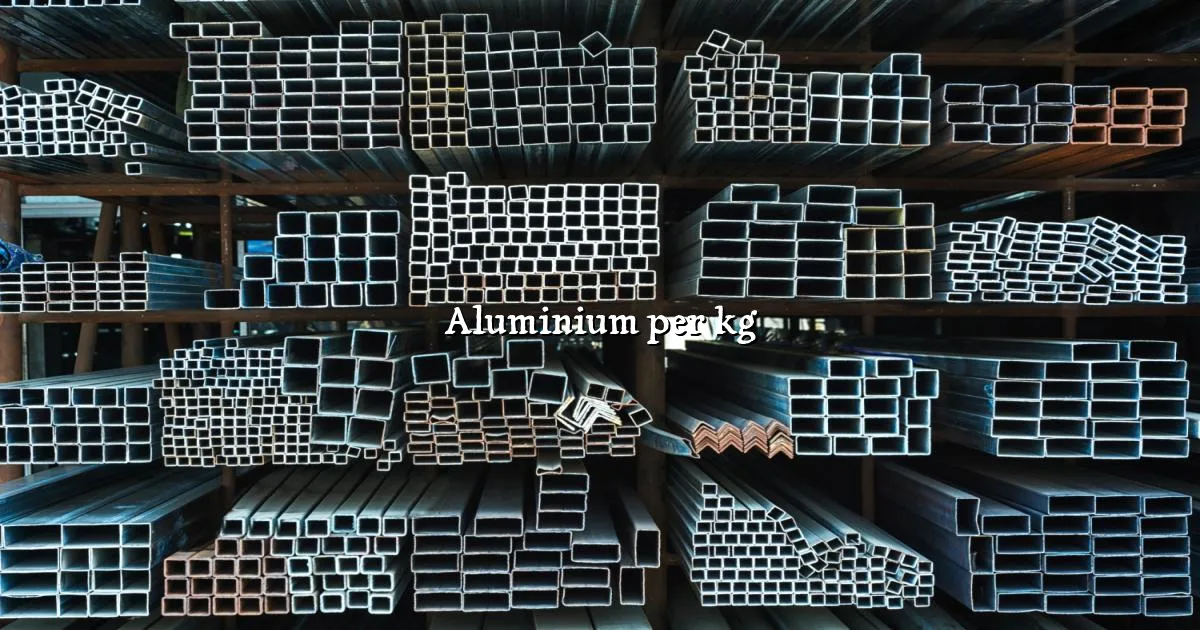
Quick price view by weight
If you are buying in bulk, the kilogram figure matters more than the gram quote. A kilo is the unit that shows up in dispatch notes, stockist bills and most industrial conversations. For smaller retail checks, the gram rate still helps because it lets buyers compare the live market with fabricated product pricing without getting lost in packaging or cutting charges.
- 1 gram: ₹0.29
- 10 grams: ₹2.86
- 100 grams: ₹28.58
- 1 kg: ₹285.79
- 1 metric tonne: ₹285,787.00
That tonne figure is not decorative. Primary aluminium trades globally in tonnes, and Indian market pricing ultimately starts there before it is chopped down into a per kg or per gram reference for buyers. The spread between the two is where freight, duty and local demand quietly sit.
Aluminium Per Kg Across Common Weights
Today's Aluminium rate is Less than One Rupees per gram. At this rate, 10 grams of Aluminium costs Three Rupees.
| Unit | Weight | Price (INR) | Price in Words |
|---|---|---|---|
| 1 Gram | 1.0000 g | ₹0.29 | Less than One Rupees |
| 8 Grams | 8.0000 g | ₹2.29 | Two Rupees |
| 10 Grams | 10.0000 g | ₹2.86 | Three Rupees |
| 100 Grams | 100.0000 g | ₹28.58 | Twenty Nine Rupees |
| 1 Kilogram | 1,000.0000 g | ₹285.79 | Two Hundred and Eighty Six Rupees |
| 1 Ounce (oz) | 28.3495 g | ₹8.10 | Eight Rupees |
| 1 Troy Ounce | 31.1035 g | ₹8.89 | Nine Rupees |
| 1 Metric Ton | 1,000,000.0000 g | ₹285,787.00 | Two Lakh Eighty Five Thousand Seven Hundred and Eighty Seven Rupees |
Why Aluminium Per Kg Moves the Way It Does
The Indian aluminium market does not set its own rhythm in isolation. Most days, the chain starts with LME grade A aluminium, then moves through the rupee, import economics and the domestic premium charged by suppliers. Add the basic customs duty of about 7.5% on many import structures, plus GST and freight, and the number per kg stops looking like a single global quote and starts looking like a landed cost calculation.
Primary metal, secondary metal, and the real buying gap
Primary aluminium comes straight from smelting and is the reference metal behind MCX aluminium futures. Secondary aluminium comes from scrap, remelt and alloy recovery. That scrap route can be cheaper, sometimes a lot cheaper, but the discount depends on purity, contamination and whether the buyer needs clean ingot, sheet, foil stock or a particular alloy. A 6061 extrusion buyer will not treat remelt metal the way a packaging converter does. Nor should they.
Demand also matters more than many people admit. Packaging plants keep pulling aluminium foil and can stock, the construction side keeps asking for window profiles and roofing sheet, and auto makers still want lighter body parts and heat-management components. China remains the big supply story too, because it produces roughly 60% of global primary aluminium. When smelter output rises or electricity costs jump, the effect lands on LME first and then shows up in Indian aluminium per kg pricing.
For local buyers, the final invoice can still be different from the live rate on a website. Stockist margin, cutting losses, transport and the exact form of supply all matter. Aluminium sheet price, aluminium foil price and aluminium ingot price rarely sit at the same level, even if they begin from the same market benchmark.
Aluminium Per Kg — Last 10 Days
The most recent Aluminium price on record (2026-09-17) is Less than One Rupees per gram.
| Date | Price (INR/g) | Change |
|---|---|---|
| 2026-09-17 | ₹0.29 | +0.00 |
| 2026-09-16 | ₹0.29 | +0.00 |
| 2026-09-15 | ₹0.28 | +0.00 |
| 2026-09-14 | ₹0.28 | 0.00 |
| 2026-09-13 | ₹0.28 | +0.00 |
| 2026-09-12 | ₹0.28 | 0.00 |
| 2026-09-11 | ₹0.28 | 0.00 |
| 2026-09-10 | ₹0.29 | 0.00 |
| 2026-09-09 | ₹0.29 | +0.00 |
| 2026-09-08 | ₹0.29 | — |
What Traders and Fabricators Watch After the Per Kg Quote
Aluminium is a cyclical industrial metal. It does not behave like gold, and it certainly does not have the same retail investment culture. There is no sovereign bond-style wrapper, no standard digital-metal SIP product for aluminium in India, and no neat little collector market waiting on the side. If someone wants exposure, they usually look at MCX aluminium futures, industrial procurement, or broad commodity funds that include base metals as part of a basket.
The best operators watch the spread between MCX and LME, not just the headline rate. That gap tells you something about currency pressure, local demand and whether import parity is getting stretched. It also helps when the market gets choppy around expiry. A trader who tracks only the quote per kg often misses the reason behind the move. The reason is usually sitting in the futures curve, not on the shop floor.
Seasonality still shows up, even in a market this liquid. Construction demand tends to firm before the summer build-up, packaging demand gets busy around festive stocking cycles, and the monsoon can slow site work enough to soften short-term buying. India’s infrastructure pipeline keeps the medium-term story alive, while domestic capacity from players such as Hindalco and Vedanta has reduced some import pressure. Even then, the country still leans on the global benchmark for price discovery.
That is why the 52-week range matters. A single day’s aluminium per kg rate tells you what to pay right now. The wider band tells you whether the market has already priced in a supply squeeze, a weak rupee or a demand revival. Smart buyers keep both numbers in view and buy stock when the spread works, not when the phone rings first.
Aluminium Per Kg — Questions Buyers Ask Most
The aluminium per kg price in India today is ₹0.29 as of September 17, 2026. This reflects the live aluminium price tracked from the India market feed, which moves broadly with LME aluminium and MCX aluminium futures.
The per-kg price is derived from the benchmark aluminium price, usually linked to LME grade A aluminium, then converted into INR. Indian market quotes also reflect exchange rate moves, local premiums, import duty, freight and the spread between primary aluminium and recycled secondary aluminium.
1 kg aluminium price today is approximately ₹285.79. Fabricators often compare this with the sheet, coil or extrusion price after conversion losses, cutting and stockist margin.
MCX aluminium futures react quickly to LME aluminium, USD/INR, and global supply news. A jump in Chinese smelter output, power tariffs at smelters, or a sudden change in inventories can move the contract before domestic buyers feel it in cash prices.
Yes. Secondary aluminium, which comes from scrap and remelt, usually trades at a discount to primary aluminium. The gap depends on purity, alloy mix, contamination and whether the buyer needs aluminium alloy, ingot, sheet or foil-grade metal.
Not always. The spot price on a price page is usually a market reference. Final buying cost can include GST, transport, cutting loss, packaging, and sometimes a premium for specific BIS-compliant or alloy-specific material.
