Quick Conversions
Aluminium Scrap Rate Per Kg — 10-Day Trend
All prices in ₹ per gram · daily rate, updated once per day
Aluminium Rate Per Kg Scrap in India Today
The aluminium rate per kg scrap in India sits at ₹0.29 as of September 17, 2026. That is the broad live reference, not a dealer’s final buying quote. Scrap yards, foundries, and traders will still shave the number depending on cleanliness, alloy mix, paint, moisture, and how fast they can resell the metal into the local melt market.
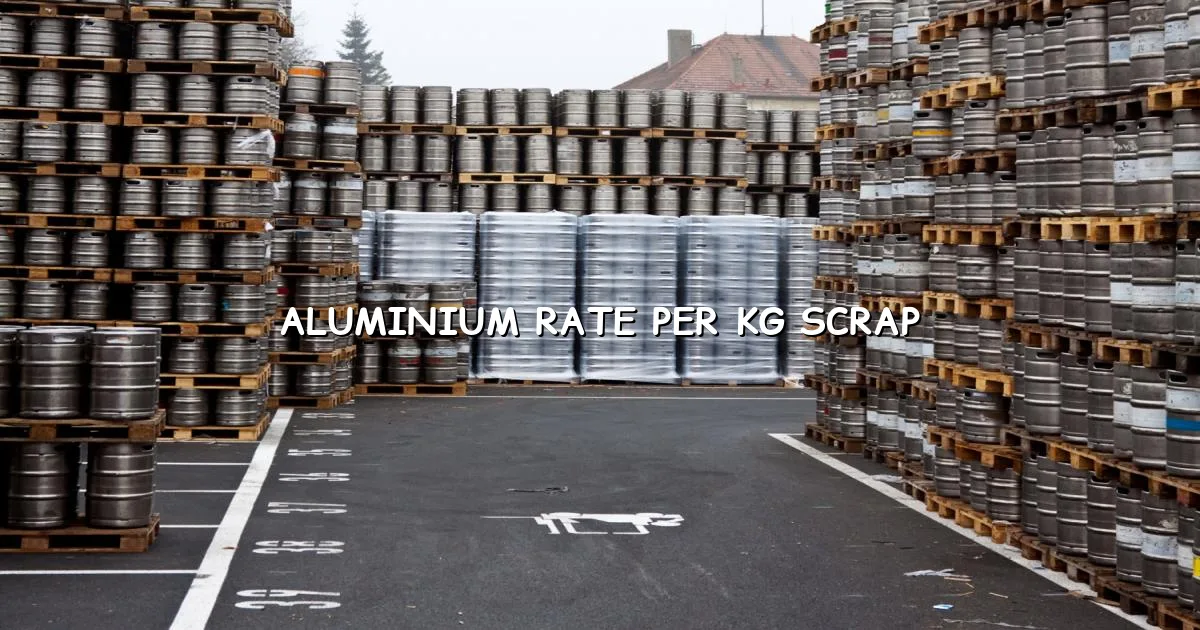
In practical terms, buyers look at the same market forces that move MCX aluminium and LME aluminium. Clean scrap follows the broader aluminium tone closely; dirty, mixed scrap trades on its own discount. That is why two sellers standing at the same yard gate can walk away with different rates for what looks like the same pile.
- 1 gram: ₹0.29
- 10 grams: ₹2.87
- 100 grams: ₹28.68
- 1 kg: ₹286.81
- 1 metric tonne: ₹286,811.00
If you are comparing scrap quotes across cities, keep the unit straight. A rate per kg sounds simple, but some dealers still talk in loose bundles, while fabricators think in tonnes. The live chart on this page helps anchor the number before you negotiate the yard price.
Aluminium Scrap Rate by Weight
Today's Aluminium rate is Less than One Rupees per gram. At this rate, 10 grams of Aluminium costs Three Rupees.
| Unit | Weight | Price (INR) | Price in Words |
|---|---|---|---|
| 1 Gram | 1.0000 g | ₹0.29 | Less than One Rupees |
| 8 Grams | 8.0000 g | ₹2.29 | Two Rupees |
| 10 Grams | 10.0000 g | ₹2.87 | Three Rupees |
| 100 Grams | 100.0000 g | ₹28.68 | Twenty Nine Rupees |
| 1 Kilogram | 1,000.0000 g | ₹286.81 | Two Hundred and Eighty Seven Rupees |
| 1 Ounce (oz) | 28.3495 g | ₹8.13 | Eight Rupees |
| 1 Troy Ounce | 31.1035 g | ₹8.92 | Nine Rupees |
| 1 Metric Ton | 1,000,000.0000 g | ₹286,811.00 | Two Lakh Eighty Six Thousand Eight Hundred and Eleven Rupees |
What Actually Pushes Aluminium Scrap Rates Up or Down
Scrap pricing is never just about yesterday’s quote. The dealer at the edge of the industrial area watches overseas aluminium first, then checks local melt demand, electricity costs, and how much clean material is arriving that morning. If primary metal gets expensive, well-sorted scrap often tightens too because recyclers can still sell it into the same conversion chain.
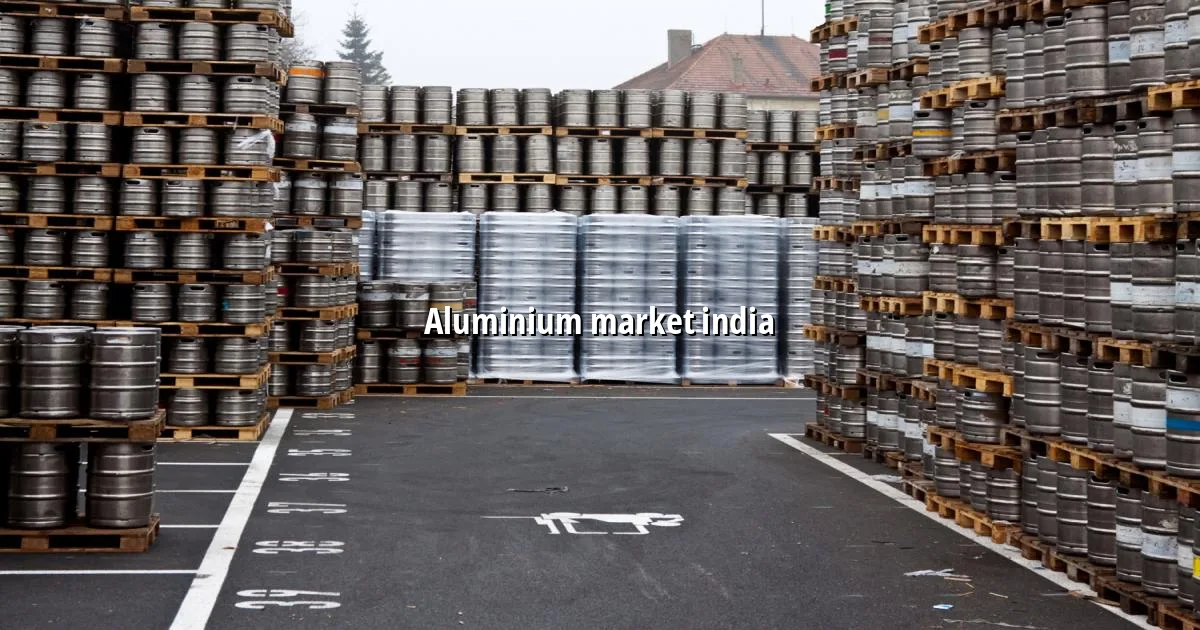
Clean scrap, alloy scrap, and the discount story
Primary aluminium is the benchmark. Secondary aluminium, which includes recycled scrap, usually trades at a discount because someone has to sort, remelt, and remove contamination. Clean extrusion scrap, cast scrap, and sheet offcuts fetch better money than painted profiles or mixed household scrap. Alloy matters as well. A 6061-type structural offcut does not price the same way as low-grade mixed scrap, and a 1100 series material used in sheet or foil applications can attract a different buyer base altogether.
Import duty still matters here, even for scrap traders who never place a customs order themselves. The Indian market takes its cue from import parity, and that parity sits on LME grade A aluminium, the rupee, freight, and the usual customs structure. When the dollar moves sharply or power costs rise in smelter-heavy regions, local aluminium bids do not stay quiet for long. China, which accounts for roughly 60% of global primary aluminium output, also influences the tone. A production cut, an energy squeeze, or a smelter restart in China can change the scrap conversation in India within days.
Demand comes from very ordinary places. Window-frame fabricators, cable makers, foil processors, packaging units, and auto component shops all pull in the same direction when orders improve. If the National Infrastructure Pipeline keeps contractors busy, the scrap market usually feels it. More extrusion work means more offcuts. More building activity means more recycling flow. The market is messy, but not random.
Aluminium Scrap Rate — Last 10 Days
The most recent Aluminium price on record (2026-09-17) is Less than One Rupees per gram.
| Date | Price (INR/g) | Change |
|---|---|---|
| 2026-09-17 | ₹0.29 | +0.00 |
| 2026-09-16 | ₹0.29 | +0.00 |
| 2026-09-15 | ₹0.28 | +0.00 |
| 2026-09-14 | ₹0.28 | 0.00 |
| 2026-09-13 | ₹0.28 | +0.00 |
| 2026-09-12 | ₹0.28 | 0.00 |
| 2026-09-11 | ₹0.28 | 0.00 |
| 2026-09-10 | ₹0.29 | 0.00 |
| 2026-09-09 | ₹0.29 | +0.00 |
| 2026-09-08 | ₹0.29 | — |
How Traders Read the Aluminium Scrap Market Over Time
Anyone tracking aluminium rate per kg scrap for more than a week learns the same lesson: this is a cyclical industrial commodity, not a neat retail product. The price tends to move with fabrication activity, construction work, packaging demand, and broad base metal sentiment. If you are buying for a plant, you care about the next shipment. If you are selling stock, you care about the spread between today’s yard offer and the next melt cycle. Same metal. Different problem.
MCX aluminium futures remain the cleanest local signal for Indian traders because they translate the global aluminium tone into rupees and give the market a tradable reference. LME aluminium still matters more for price discovery, but the exchange alone does not tell you what a recycler in Gujarat or Maharashtra will pay for a heap of mixed scrap. For that, you need both: the benchmark and the street quote.
Seasonality shows up in the scrap trade too. Pre-summer construction usually improves demand for sections, profiles, and sheet offcuts. Monsoon slows movement a bit because collection and transport get messy. Festive-season packaging demand can give foil and can-stock-related scrap a small lift. These are not dramatic swings every year, but they are real enough for anyone buying in volume to keep an eye on.
India is also adding more domestic smelting and conversion capacity through large producers such as Hindalco and Vedanta, but that does not remove import dependence overnight. Scrap will stay important because it is cheaper to process than virgin metal in many applications, and because every plant likes a lower cost input when power tariffs and energy bills are ugly. There is no sovereign bond or retail digital-metal SIP for aluminium. For now, the practical tools are MCX futures, industrial procurement, and a steady watch on the LME screen.
Aluminium Scrap Rate Per Kg — FAQs
The aluminium rate per kg scrap in India today is ₹0.29 as of September 17, 2026. Scrap buying rates vary by purity, contamination, and whether the material is clean extrusion, mixed casting scrap, or painted sheet scrap.
Secondary aluminium scrap usually trades at a discount to primary aluminium because it needs sorting, melting, and refining before reuse. The gap widens when scrap is mixed, oily, or heavily oxidised. Clean, segregated scrap commands a better price.
Indian scrap buyers watch LME aluminium first, then adjust for USD/INR, local demand, and melting losses. MCX aluminium futures often move in the same direction, so a sharp change on the exchange tends to show up in scrap offers within the same week.
1 kg aluminium scrap price today is around ₹286.81 based on the live rate on September 17, 2026. Actual dealer quotes can vary by city and scrap grade.
Yes. Even though scrap pricing is local at the shop level, the market still reacts to imported primary metal and duty structure. A change in import parity, customs duty, or freight can push scrap buyers to reprice quickly, especially in western India and around major industrial clusters.
Separate clean aluminium from steel, plastic, and paint. Buyers pay more for dry, sorted scrap with fewer impurities. If you have mixed scrap, the quote will usually be lower because the recycler carries a higher processing loss.
