Quick Conversions
Old Aluminium Rate Per Kg — 10-Day Movement
All prices in ₹ per gram · daily rate, updated once per day
Old Aluminium Rate Per Kg in India Today
The old aluminium rate per kg in India today is ₹0.29 as of September 17, 2026. For scrap dealers, kabadiwalas, and rerolling units, that number is the starting point, not the final bill. A clean bundle of old aluminium cans does not price the same way as mixed oxidised scrap, and the market knows the difference.

Quick weight check for old aluminium
- 1 gram: ₹0.29
- 10 grams: ₹2.87
- 100 grams: ₹28.68
- 1 kg: ₹286.81
- 1 metric tonne: ₹286,811.00
The visible retail units are useful, but the real action sits around per-kg and per-tonne buying. That is how most scrap yards, extrusion shops, and secondary smelters talk. They watch MCX aluminium futures for the primary metal direction, then haircut the scrap based on quality, recovery loss, and local supply.
Old Aluminium Rate Per Kg Across Common Units
Today's Aluminium rate is Less than One Rupees per gram. At this rate, 10 grams of Aluminium costs Three Rupees.
| Unit | Weight | Price (INR) | Price in Words |
|---|---|---|---|
| 1 Gram | 1.0000 g | ₹0.29 | Less than One Rupees |
| 8 Grams | 8.0000 g | ₹2.29 | Two Rupees |
| 10 Grams | 10.0000 g | ₹2.87 | Three Rupees |
| 100 Grams | 100.0000 g | ₹28.68 | Twenty Nine Rupees |
| 1 Kilogram | 1,000.0000 g | ₹286.81 | Two Hundred and Eighty Seven Rupees |
| 1 Ounce (oz) | 28.3495 g | ₹8.13 | Eight Rupees |
| 1 Troy Ounce | 31.1035 g | ₹8.92 | Nine Rupees |
| 1 Metric Ton | 1,000,000.0000 g | ₹286,811.00 | Two Lakh Eighty Six Thousand Eight Hundred and Eleven Rupees |
Why Old Aluminium Rate Per Kg Does Not Match Primary Metal
Old aluminium sits in its own lane. A recycled battery tray, an old window frame, or a torn aluminium sheet does not carry the same value as primary metal from a certified producer. The benchmark still starts from LME aluminium, usually LME Grade A, then India adds its own local layer through freight, conversion, scrap loss, and the cost of bringing the material back to usable form.
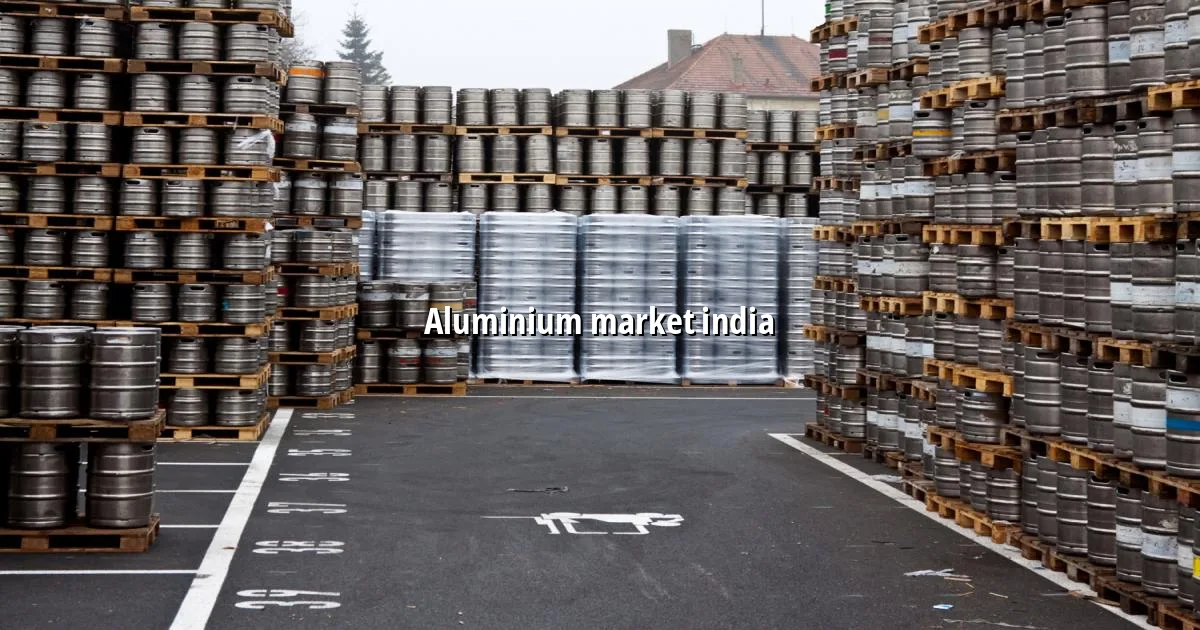
Where the price gap comes from
Primary aluminium is pure, standardised, and easier to trade. Scrap is messy. Old aluminium can include paint, nails, steel clips, dirt, moisture, and alloy mix from 1100, 6061, or other grades. That contamination forces a discount. Imported primary aluminium also carries customs duty and GST in the broader pricing chain, so when import parity rises, cleaner scrap often gets bid up a little harder.
Demand matters too. Packaging plants need foil and can-stock. Construction crews need frames, shutters, cladding, and roofing sheets. Cable makers buy aluminium because it is lighter than copper and cheaper per unit of conductivity. When those sectors run hot, the old aluminium rate per kg usually tightens faster than people expect. Energy costs, especially power tariffs for smelting and remelting, also keep a floor under the market.
Old Aluminium Rate Per Kg — 10-Day History
The most recent Aluminium price on record (2026-09-17) is Less than One Rupees per gram.
| Date | Price (INR/g) | Change |
|---|---|---|
| 2026-09-17 | ₹0.29 | +0.00 |
| 2026-09-16 | ₹0.29 | +0.00 |
| 2026-09-15 | ₹0.28 | +0.00 |
| 2026-09-14 | ₹0.28 | 0.00 |
| 2026-09-13 | ₹0.28 | +0.00 |
| 2026-09-12 | ₹0.28 | 0.00 |
| 2026-09-11 | ₹0.28 | 0.00 |
| 2026-09-10 | ₹0.29 | 0.00 |
| 2026-09-09 | ₹0.29 | +0.00 |
| 2026-09-08 | ₹0.29 | — |
What Traders Watch Before Fixing the Next Scrap Bid
Scrap pricing follows industrial behaviour more than retail sentiment. A buyer in Delhi, Ahmedabad, or Coimbatore will first look at the latest MCX aluminium contract, then check the LME screen, then judge how much scrap is actually moving in the local market. If Chinese smelter output stays firm, global supply usually feels comfortable and the upside can slow down. If power costs spike or output cuts show up, the tone changes quickly.
That rhythm matters because aluminium is a cyclical metal. Construction demand tends to build before the summer season. Packaging demand usually strengthens around festivals and large procurement cycles. Monsoon months can dull site activity and soften scrap movement. None of that is dramatic on a single day, but it does shape the old aluminium rate per kg over weeks and months. A trader who ignores seasonality often buys too high and sells too early.
For India, the long game is simple enough. Domestic smelting capacity from large producers has improved, yet the country still leans on global pricing for reference. That means the real watchlist stays the same: LME aluminium, MCX aluminium futures, USD/INR, freight, and local scrap availability. If you are buying for a fabrication unit, that is the mix that decides whether today’s rate is a decent entry or just another expensive lot.
Old Aluminium Rate Per Kg — Questions Buyers Ask
The old aluminium rate per kg in India today is ₹0.29 as of September 17, 2026. In market language, this usually refers to recycled aluminium or scrap-grade material, and the exact figure changes with cleanliness, alloy mix, and local demand.
Yes. Old aluminium usually trades below primary aluminium because it needs sorting, cleaning, melting, and sometimes alloy correction before reuse. A clean, segregated lot can fetch a better price than mixed scrap, but it still tends to sit at a discount to LME-grade A primary aluminium.
MCX aluminium futures provide the reference for primary aluminium in India. Old aluminium scrap is then priced off that benchmark with discounts or premiums depending on purity, oxidation, paint, oil contamination, and local availability. Traders and recyclers watch LME aluminium and MCX aluminium together before fixing scrap rates.
At today’s rate, 1 kg works out to ₹0.29 and 1 metric tonne comes to ₹286.81. Scrap buyers often talk in truck-load quantities, so tonne-level pricing matters more than retail gram pricing.
It does, though scrap is not priced exactly like primary metal. Basic customs duty, GST, freight, and the cost of imported primary aluminium all influence the overall market structure. When imported primary metal gets expensive, recycled aluminium often finds firmer support.
