Quick Conversions
World Gold Price — 10-Day Trend
All prices in ₹ per gram · daily rate, updated once per day
What the "World Gold Price" Actually Refers To
When people say "world gold price," they usually mean the international spot benchmark — most authoritatively, the LBMA Gold Price, set in London by the London Bullion Market Association through a twice-daily electronic auction, at 10:30am and 3:00pm London time. It's the reference most global gold trade — central banks, refiners, jewellers — is priced against, and it's genuinely different from any single exchange's own contract: it's an assessed benchmark, not something you buy or sell directly on an order book.
MetalsCost's own live 24K reference is ₹15,288.77 per gram as of September 17, 2026 — a domestic spot-style figure that moves with this international benchmark but carries India's own currency conversion and import costs on top of it.
Gold Price by Weight
Today's Gold rate is Fifteen Thousand Two Hundred and Eighty Nine Rupees per gram. At this rate, 10 grams of Gold costs One Lakh Fifty Two Thousand Eight Hundred and Eighty Eight Rupees.
| Unit | Weight | Price (INR) | Price in Words |
|---|---|---|---|
| 1 Gram | 1.0000 g | ₹15,288.77 | Fifteen Thousand Two Hundred and Eighty Nine Rupees |
| 8 Grams | 8.0000 g | ₹122,310.13 | One Lakh Twenty Two Thousand Three Hundred and Ten Rupees |
| 10 Grams | 10.0000 g | ₹152,887.66 | One Lakh Fifty Two Thousand Eight Hundred and Eighty Eight Rupees |
| 100 Grams | 100.0000 g | ₹1,528,876.63 | Fifteen Lakh Twenty Eight Thousand Eight Hundred and Seventy Seven Rupees |
| 1 Kilogram | 1,000.0000 g | ₹15,288,766.26 | One Crore Fifty Two Lakh Eighty Eight Thousand Seven Hundred and Sixty Six Rupees |
| 1 Ounce (oz) | 28.3495 g | ₹433,428.88 | Four Lakh Thirty Three Thousand Four Hundred and Twenty Nine Rupees |
| 1 Troy Ounce | 31.1035 g | ₹475,534.14 | Four Lakh Seventy Five Thousand Five Hundred and Thirty Four Rupees |
| 1 Metric Ton | 1,000,000.0000 g | ₹15,288,766,260.00 | One Thousand Five Hundred and Twenty Eight Crore Eighty Seven Lakh Sixty Six Thousand Two Hundred and Sixty Rupees |
Benchmark, Not Contract: Why This Differs from MCX or COMEX
It's worth being precise about the distinction. MCX and COMEX are exchanges — they list specific, tradeable futures contracts with their own trading unit, quotation convention and hours. The LBMA Gold Price is neither of those things: it's a benchmark auction result, used as a pricing reference across the industry, including by exchanges themselves when settling certain contracts and by central banks reporting reserve values.
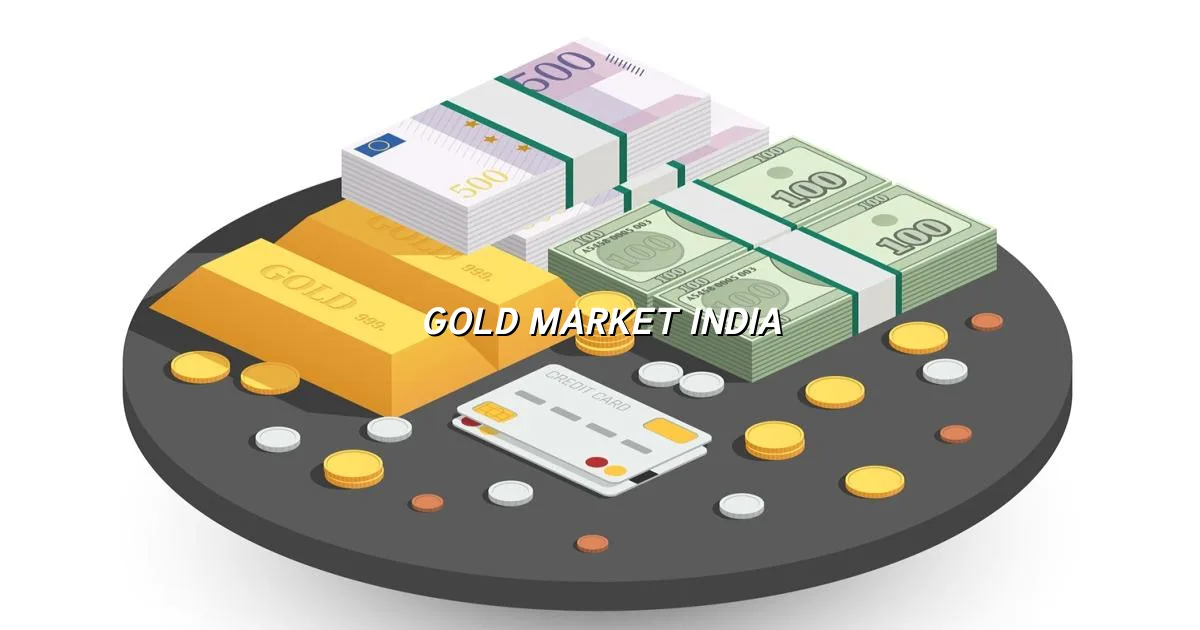
The practical chain runs: international spot price (in USD per troy ounce) → USD/INR exchange rate → India's import duty and landed costs → MCX futures reflecting all of that → the domestic retail rate. A quiet session in London doesn't guarantee a quiet day in India, because the rupee and import costs move independently of the London auction itself.
World Gold Price — Last 10 Days
The most recent Gold price on record (2026-09-17) is Fifteen Thousand Two Hundred and Eighty Nine Rupees per gram. This is up by Fifty Nine Rupees from the previous day's rate of ₹15,230.10.
| Date | Price (INR/g) | Change |
|---|---|---|
| 2026-09-17 | ₹15,288.77 | +58.66 |
| 2026-09-16 | ₹15,230.10 | +162.03 |
| 2026-09-15 | ₹15,068.07 | +36.63 |
| 2026-09-14 | ₹15,031.44 | -268.97 |
| 2026-09-13 | ₹15,300.41 | 0.00 |
| 2026-09-12 | ₹15,300.41 | -46.74 |
| 2026-09-11 | ₹15,347.15 | +66.38 |
| 2026-09-10 | ₹15,280.77 | -141.47 |
| 2026-09-09 | ₹15,422.24 | +121.11 |
| 2026-09-08 | ₹15,301.14 | — |
From World Gold Price to a Jewellery Bill
The world gold price gives you the raw bullion value, nothing else. A jeweller's invoice adds making charges (commonly 8–15% of metal value for plain gold), wastage in some cases, and 3% GST on the metal-plus-making-charges total — all of which sit entirely outside the international benchmark. Our Jewellery Calculator works the actual math for a given purity and weight, and the Glossary covers hallmarking, making charges and GST in plain terms if any of those are unfamiliar.
World Gold Price FAQs
It refers to the international spot benchmark for gold — most commonly the LBMA Gold Price, set in London by the London Bullion Market Association via a twice-daily electronic auction (10:30am and 3:00pm London time). It's the reference most of the world's gold trade, from central banks to jewellers, is priced against.
No — that's the key distinction. The LBMA Gold Price is an auction-set reference benchmark, not a futures contract you buy or sell directly. MCX and COMEX are exchanges with tradeable contracts, margin and expiry mechanics, and both are priced with reference to the same underlying international spot market. See our MCX Gold Rate and COMEX Gold pages for how those specific contracts work.
MetalsCost's own tracked 24K gold benchmark is ₹15,288.77 per gram as of September 17, 2026, giving a 10-gram value of ₹152,887.66. This domestic figure moves with the international spot price but reflects the USD/INR exchange rate and India\'s own import costs layered on top.
The LBMA benchmark (or the broader international spot price) is quoted in US dollars per troy ounce. Converting to India means applying the USD/INR exchange rate, then India's import duty and other landed costs — which is why a calm session in London can still translate into a firmer local price if the rupee weakens on the same day.
The world gold price is a bullion-level benchmark. A jeweller's bill adds making charges, wastage in some cases, and 3% GST — none of which the international benchmark reflects. Our Jewellery Calculator works out the retail add-ons for a specific purity and weight.
