Quick Conversions
Old Aluminum Price Per Kg — 10-Day Trend
All prices in ₹ per gram · daily rate, updated once per day
Old Aluminum Price Per Kg in India Today
The old aluminum price per kg in India sits at ₹0.29 as of September 17, 2026. That is the working number most scrap dealers, rerolling units, and small fabricators start with before they argue over cleanliness, moisture, paint, and mixed alloy content. The market may call it old aluminum, used aluminium, or simply scrap, but the logic is the same: the better the material, the tighter the quote.

For a quick benchmark, the live rate works out like this. It is a simple conversion, but it helps buyers compare offers from different yards without getting lost in local jargon.
- 1 gram: ₹0.29
- 10 grams: ₹2.86
- 100 grams: ₹28.58
- 1 kg: ₹285.79
- 1 metric tonne: ₹285,787.00
That said, scrap is never priced as neatly as a pure exchange contract. MCX aluminium futures and the LME aluminium benchmark still matter because they set the direction, especially when primary metal rises or the rupee slips.
Old Aluminum Price Per Kg by Weight
Today's Aluminium rate is Less than One Rupees per gram. At this rate, 10 grams of Aluminium costs Three Rupees.
| Unit | Weight | Price (INR) | Price in Words |
|---|---|---|---|
| 1 Gram | 1.0000 g | ₹0.29 | Less than One Rupees |
| 8 Grams | 8.0000 g | ₹2.29 | Two Rupees |
| 10 Grams | 10.0000 g | ₹2.86 | Three Rupees |
| 100 Grams | 100.0000 g | ₹28.58 | Twenty Nine Rupees |
| 1 Kilogram | 1,000.0000 g | ₹285.79 | Two Hundred and Eighty Six Rupees |
| 1 Ounce (oz) | 28.3495 g | ₹8.10 | Eight Rupees |
| 1 Troy Ounce | 31.1035 g | ₹8.89 | Nine Rupees |
| 1 Metric Ton | 1,000,000.0000 g | ₹285,787.00 | Two Lakh Eighty Five Thousand Seven Hundred and Eighty Seven Rupees |
Why Scrap Dealers Quote Old Aluminum Differently
Old aluminum is not a single product. A clean extrusion bundle, an alloyed window frame, and a mixed scrap lot from a demolition site all behave differently at the furnace. That is why the old aluminum price per kg can move away from primary aluminium by a noticeable margin, even on the same day.
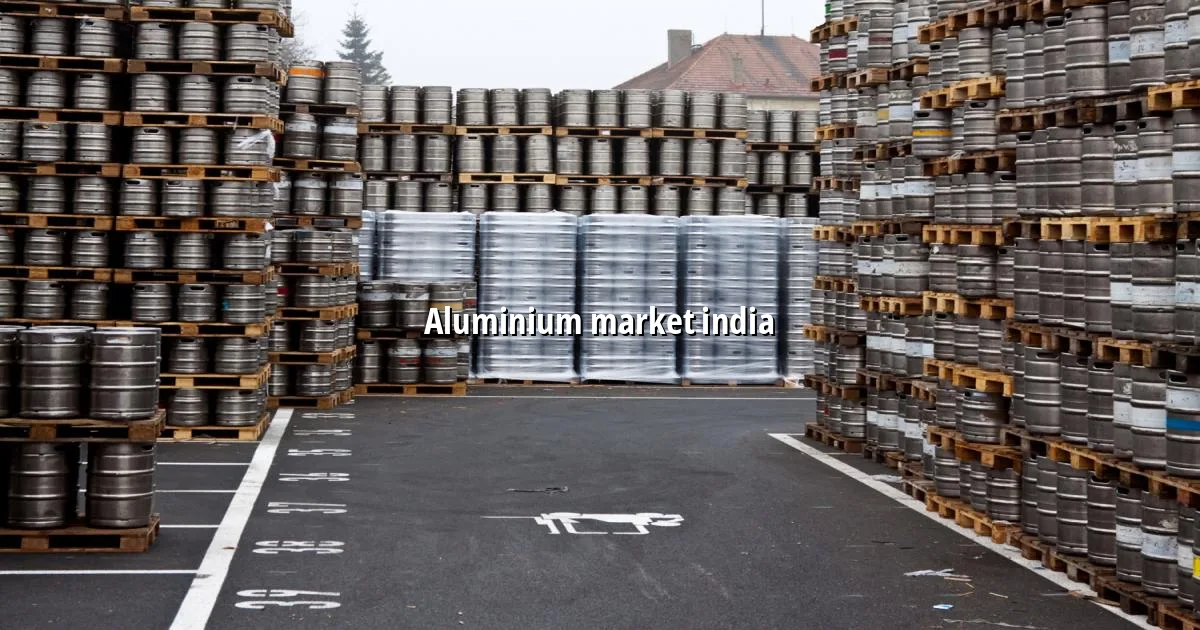
Quality changes the quote faster than people expect
Clean scrap saves sorting time and melts with lower loss, so processors pay up for it. Dirty scrap brings the opposite treatment. Paint, oil, salt residue, and mixed metals all push the buying price down because the recycler has to spend more to recover usable metal.
There is also a big gap between primary aluminium and secondary aluminium. Primary metal follows LME grade A standards and arrives with much tighter purity. Secondary aluminium, especially old scrap, is a different game altogether. It suits casting, re-rolling, and many industrial jobs, but buyers still discount it because yield is never perfect.
India’s scrap market also reacts to import economics. A move in the LME aluminium price, a shift in USD/INR, or a change in customs duty can filter down into local scrap offers. On the demand side, packaging, construction, and auto components keep the base trade active, while Chinese smelter output and power costs keep the global tone from staying still for long.
Old Aluminum Price Per Kg — 10-Day History
The most recent Aluminium price on record (2026-09-17) is Less than One Rupees per gram.
| Date | Price (INR/g) | Change |
|---|---|---|
| 2026-09-17 | ₹0.29 | +0.00 |
| 2026-09-16 | ₹0.29 | +0.00 |
| 2026-09-15 | ₹0.28 | +0.00 |
| 2026-09-14 | ₹0.28 | 0.00 |
| 2026-09-13 | ₹0.28 | +0.00 |
| 2026-09-12 | ₹0.28 | 0.00 |
| 2026-09-11 | ₹0.28 | 0.00 |
| 2026-09-10 | ₹0.29 | 0.00 |
| 2026-09-09 | ₹0.29 | +0.00 |
| 2026-09-08 | ₹0.29 | — |
How Traders Read the Old Aluminum Price Per Kg
Anyone buying or selling scrap watches more than the day’s quote. They track the spread between spot scrap and primary metal, check whether the market is short of clean material, and then look at transport and loading costs. That is why the old aluminum price per kg often makes more sense in an industrial cluster than on a generic national chart.
For procurement teams, MCX aluminium futures are the closest thing to a weather report. They do not tell the whole story, but they tell you whether the air is warming or cooling. When futures push higher on strong LME cues or a weaker rupee, scrap yards usually tighten too, even if the rise is not immediate.
Over a longer stretch, aluminium remains a cyclical commodity. Construction demand tends to improve before summer, packaging gets a lift around festive stocking, and monsoon months can slow site work enough to soften buying. That pattern matters for old scrap because fabricators and rerolling mills pull less material when their own order books thin out.
India is still building domestic aluminium depth. Hindalco and Vedanta have added scale over the years, but the country remains sensitive to imported metal economics and global benchmark moves. For a buyer comparing today’s quote with last month’s, that mix of local demand and international pricing is usually the real story behind the number.
Old Aluminum Price Per Kg — FAQs
The old aluminum price per kg in India today is approximately ₹0.29 as of September 17, 2026. The number moves with aluminium scrap price, local buying interest, and the broader MCX aluminium tone.
In market language, yes, most buyers use old aluminum to mean used aluminium scrap. The actual value depends on contamination, alloy mix, and whether the material is clean extrusion, sheet cuttings, or mixed scrap.
MCX aluminium futures set the reference tone for primary metal, then scrap traders discount or adjust from there. Old aluminum usually trades below primary aluminium because re-melting, sorting, and yield loss eat into the value.
Primary aluminium is smelted from bauxite and usually follows LME grade A benchmarks. Old aluminium is recycled metal, so its price depends on quality, oxidation loss, and the grade of scrap being offered.
1 kg old aluminum price in India today is around ₹0.29. Traders usually negotiate by load quality, but this gives a clean benchmark for buyers comparing scrap yards and local dealers.
Transport cost, sorting standards, local demand from rerolling units, and scrap availability all push the price around. A yard in a dense industrial cluster may quote tighter than a smaller market farther from the mill belt.
