Quick Conversions
Aluminium Scrap Rate Per Kg Today — 10-Day Trend
All prices in ₹ per gram · daily rate, updated once per day
Aluminium Scrap Rate Per Kg Today in India
The aluminium scrap rate per kg today in India is ₹0.29 as of September 17, 2026. That figure is best treated as a live market reference, not a fixed tag. Clean extrusion scrap, mixed scrap, and post-industrial cuttings can all land at different levels, and the gap can be wider than people expect when buying in a local mandi or from a recycler.
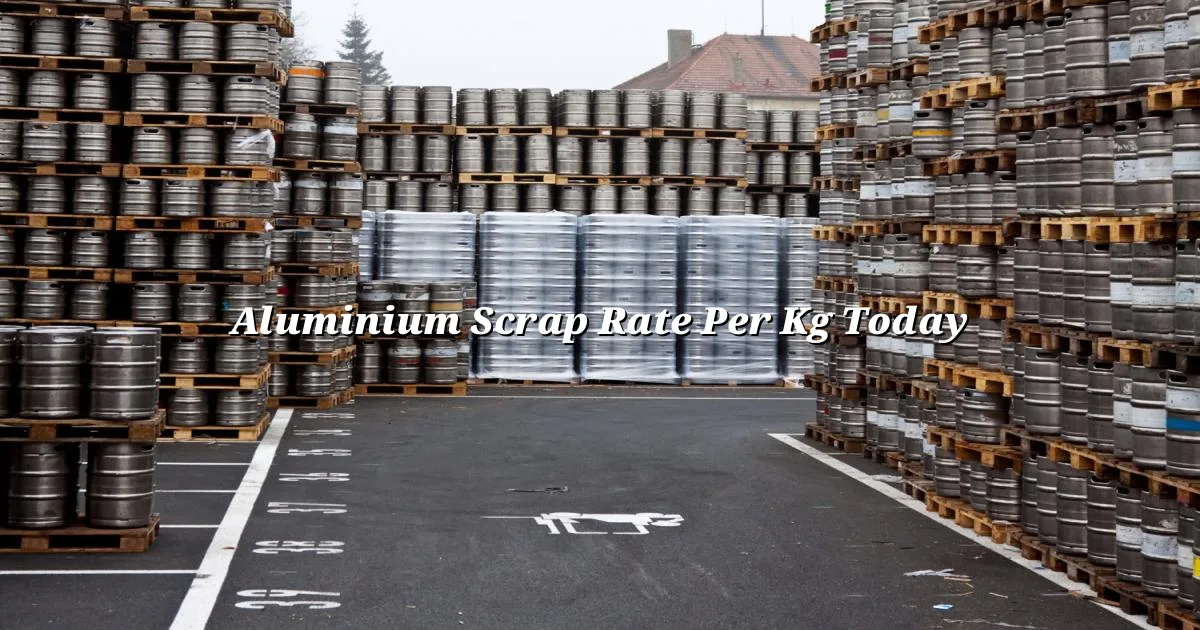
For traders, the first reference point is still MCX aluminium futures. For processors, the real decision often comes down to whether the scrap can go straight into remelt, or whether it needs sorting, de-lacquering, or extra melting loss allowance. That is where price stops being a headline and starts becoming a margin calculation.
- 1 kg: ₹0.29
- 10 kg: ₹2.86
- 100 kg: ₹28.58
- 1 metric tonne: ₹285.79
If you are comparing quotes, do not stop at the sticker rate. Delivery, sorting quality, and payment terms can move the effective cost much more than a few rupees on the printed scrap rate. That is exactly why the aluminium scrap rate per kg today deserves a live page instead of a monthly chart buried in a file.
Aluminium Scrap Price by Weight
Today's Aluminium rate is Less than One Rupees per gram. At this rate, 10 grams of Aluminium costs Three Rupees.
| Unit | Weight | Price (INR) | Price in Words |
|---|---|---|---|
| 1 Gram | 1.0000 g | ₹0.29 | Less than One Rupees |
| 8 Grams | 8.0000 g | ₹2.29 | Two Rupees |
| 10 Grams | 10.0000 g | ₹2.86 | Three Rupees |
| 100 Grams | 100.0000 g | ₹28.58 | Twenty Nine Rupees |
| 1 Kilogram | 1,000.0000 g | ₹285.79 | Two Hundred and Eighty Six Rupees |
| 1 Ounce (oz) | 28.3495 g | ₹8.10 | Eight Rupees |
| 1 Troy Ounce | 31.1035 g | ₹8.89 | Nine Rupees |
| 1 Metric Ton | 1,000,000.0000 g | ₹285,787.00 | Two Lakh Eighty Five Thousand Seven Hundred and Eighty Seven Rupees |
What Really Moves Scrap Prices in the Indian Market
Scrap pricing in India does not move in a vacuum. The benchmark tone comes from LME aluminium, then MCX aluminium futures translate that into rupees, and the local scrap market adds its own layer of reality. Freight, yard inventory, billet demand, and the availability of clean feedstock all matter. A trader in a tier-2 city may quote a number that looks cheap on paper, but if the material carries paint, oil, or mixed alloy contamination, that “cheap” quote stops being cheap very quickly.
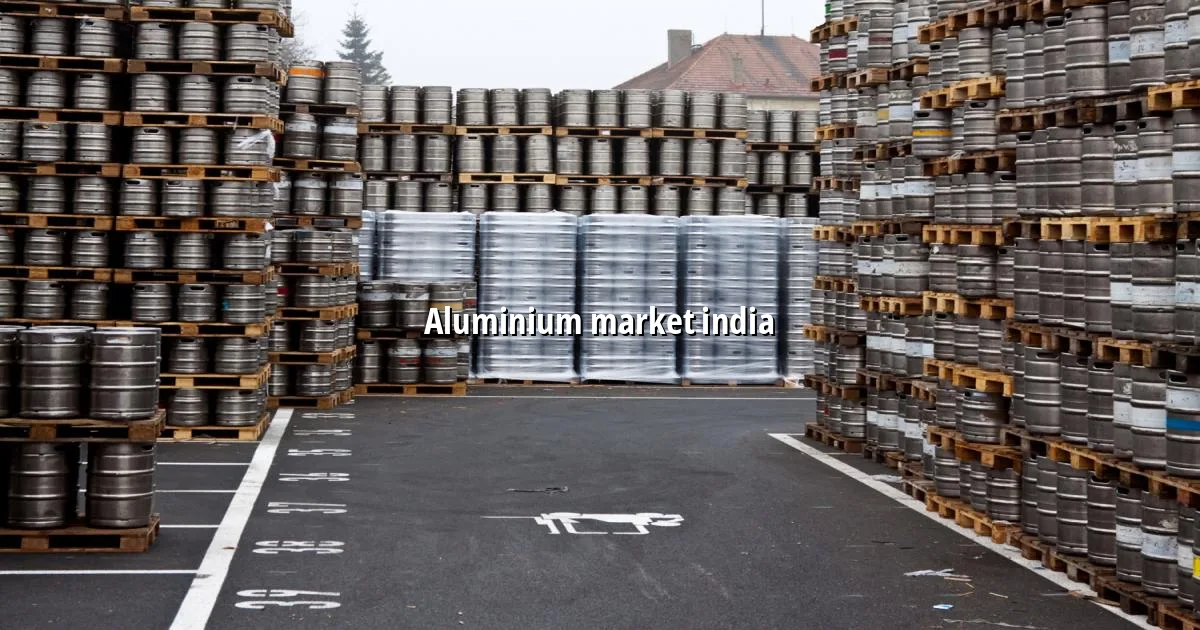
Primary metal, scrap, and alloy recovery are not the same thing
Primary aluminium is smelted from bauxite and refined to LME grade A standards. Scrap sits in a different bucket altogether. A clean aluminium extrusion offcut can fetch a better rate than dirty mixed scrap, but it still trades below primary material because the recycler is taking on yield loss and processing risk. Alloy grade also matters. 6061 sections, window profiles, and certain automotive grades can command better value than unknown mixed household scrap, while foil scrap usually behaves differently again because contamination is harder to avoid.
One more thing that matters in India: import economics. The landed cost of metal gets affected by the dollar, freight, and basic customs duty. When imported primary aluminium becomes expensive, fabricators often lean harder on domestic scrap streams. That can tighten availability and lift the aluminium scrap rate per kg today even if end-user demand has not changed much. China’s smelter output also matters because it still shapes global supply balance; when energy costs rise there or production gets curtailed, the whole chain feels it.
Packaging, construction, and transport are the biggest pulls on recycled aluminium. Foil converters, profile makers, and foundries all watch the same market, but they do not buy the same grade. That is why a single scrap quote rarely tells the full story. The quote is the opening line. The actual deal is written only after inspection.
Aluminium Scrap Rate Per Kg Today — Last 10 Days
The most recent Aluminium price on record (2026-09-17) is Less than One Rupees per gram.
| Date | Price (INR/g) | Change |
|---|---|---|
| 2026-09-17 | ₹0.29 | +0.00 |
| 2026-09-16 | ₹0.29 | +0.00 |
| 2026-09-15 | ₹0.28 | +0.00 |
| 2026-09-14 | ₹0.28 | 0.00 |
| 2026-09-13 | ₹0.28 | +0.00 |
| 2026-09-12 | ₹0.28 | 0.00 |
| 2026-09-11 | ₹0.28 | 0.00 |
| 2026-09-10 | ₹0.29 | 0.00 |
| 2026-09-09 | ₹0.29 | +0.00 |
| 2026-09-08 | ₹0.29 | — |
How Buyers Should Read the Scrap Trend Over Time
Aluminium is a cyclical industrial commodity, and scrap behaves even more sharply than the primary market. When construction activity picks up before summer, clean scrap demand usually improves because fabricators rebuild stock. Festive-season packaging demand can help too, while the monsoon often slows down site work and collection flows. That push and pull is visible if you compare MCX aluminium futures with the spot tone on the ground.
For anyone buying regularly, the smartest habit is to track three numbers together: LME aluminium, MCX aluminium, and the local scrap quote. One tells you the global base. One tells you the Indian benchmark. The third tells you whether dealers are sitting on stock or chasing material. If all three rise together, the move is real. If only the local rate jumps, the market may just be short for the week.
India’s domestic aluminium industry also shapes the outlook. Smelting capacity from large producers has grown over time, but the country still depends on imports and recycled feedstock for a meaningful share of downstream demand. That mix keeps scrap relevant. It also keeps the market uneven. A buyer looking for a steady supply of aluminium scrap rate per kg today will usually get a better result by checking history, not just the current quote.
There is no gold-style sovereign bond or neat retail SIP for aluminium in India. That simply does not exist. For price exposure, the route is still MCX, industrial procurement, or a commodity fund that carries base metals in a broader basket. For everyone else, the practical question is simpler: is this the right week to buy, or is the market still offering a better entry next week? The answer sits in the trend line, not in a single number.
Aluminium Scrap Rate Per Kg Today — FAQs
The aluminium scrap rate per kg today in India is ₹0.29 as of September 17, 2026. Scrap usually trades below primary aluminium because it depends on grade, contamination, and whether the material is mixed, painted, or clean industrial cuttings.
Primary aluminium comes from smelters and matches LME grade A benchmark purity. Scrap is a recycled feedstock, so the buyer pays less unless the material is clean, sorted, and close to casting quality. In real market terms, the spread can widen fast when scrap availability tightens.
Indian scrap dealers watch LME aluminium, MCX aluminium futures, the USD/INR rate, and local inventory with unusual care. The scrap market does not mirror exchange prices one-for-one, but the benchmark tone usually comes from LME first and gets filtered through transport, melting loss, and margin.
At today’s rate, 1 kg works out to around 0.29 and 1 metric tonne to ₹285.79. Fabricators and re-rollers still compare tonne-level numbers, even if procurement happens in smaller lots.
Yes, though the impact is indirect. Higher import cost on primary aluminium and alloyed inputs can support domestic scrap demand, especially when smelter output is tight or downstream buyers want cheaper recycled feedstock. GST and freight also show up in the final landed cost.
Scrap itself is a raw input, not a finished specification. Once remelted and refined, it can feed alloy products used in window sections, conduits, automotive castings, and certain packaging applications. For electrical cable, purity and conductivity matter far more than headline price.
