
Talks on a US-Mexico trade deal have stalled over Mexico's demand for relief from 50% US tariffs on steel and aluminium, Bloomberg reported. Significant progress may now wait until after the November 3 US midterm elections.
At a glance
- Mexico wants lower Section 232 tariffs on steel and aluminium, including on downstream metal products.
- Bloomberg's sources said US Commerce Secretary Howard Lutnick resisted the cuts, and a US counterproposal fell short for Mexico.
- Mexico's economy minister Marcelo Ebrard disputed suggestions that Lutnick opposed tariff reductions.
Background
Section 232 is a US trade law that lets the president impose tariffs on imports judged to threaten national security. The US now charges 50% tariffs on steel and aluminium under it. Mexico is seeking a bilateral framework deal while the wider US-Mexico-Canada Agreement is also being negotiated.
What stalled
Progress toward a US-Mexico trade agreement has stalled over Section 232 tariffs on steel, aluminium and downstream metal products, Bloomberg reported on October 21, citing people familiar with the talks. Significant progress may now be delayed until after the November 3 US midterm elections.
Mexico wants the 50% tariffs on steel and aluminium reduced, and insists that relief should also cover downstream products. According to Bloomberg's sources, US officials, including Commerce Secretary Howard Lutnick, resisted the requests, and a US counterproposal did not address Mexico's concerns. The two sides have not agreed on a lower metals tariff rate.
Why metals are the sticking point
Mexico's ambassador to the US, Roberto Lazzeri, acknowledged that the Section 232 tariffs remain the main obstacle. Mexico also argues that differences in US sector-specific tariff treatment put its producers at a disadvantage against competitors in Japan and South Korea.
Officials on both sides dispute that the talks are stuck. Mexico's economy minister, Marcelo Ebrard, rejected suggestions that Lutnick opposed tariff reductions.
What it means
For metal producers and buyers, the delay prolongs uncertainty. A bilateral framework would give more certainty to businesses that are holding back investment decisions while the US-Mexico-Canada Agreement is negotiated. Until a deal is reached, Mexican steel and aluminium entering the US keep facing 50% tariffs.
Our read
Outlook: neutral. The stalled talks keep tariffs shaping where Mexican metal is sold, but they do not change global aluminium or steel supply.
What to watch
- Any resumption of US-Mexico talks after the November 3 US midterm elections.
- Whether the US offers a lower Section 232 rate for Mexican steel, aluminium or downstream products.
- Investment decisions that businesses have delayed while the talks continue.
For information only, not investment advice.
Aluminium price in India
metalscost.com India reference price as of 2026-11-01.
Detailed analysis
Timeline
- 2026-10-21: Bloomberg reports US-Mexico trade talks have stalled over metals tariffs.
- 2026-11-03: US midterm elections, after which significant progress may come.
Government Policies
US officials, including Commerce Secretary Lutnick, resisted cutting metals duties, according to Bloomberg's sources.
Trade Tariffs
50% Section 232 tariffs on Mexican steel and aluminium stay in place while talks stall.
What could lift prices
- Tariffs that stay in place support prices for aluminium produced inside the US.
- A later deal could revive Mexican downstream manufacturing that uses aluminium.
What could weigh on prices
- Trade uncertainty is holding back business investment decisions.
- Mexican metal facing 50% US tariffs may be sold into other markets instead.
Country impact
| Country | Impact | Reason |
|---|---|---|
| Mexico | High | Its steel and aluminium exporters keep facing 50% US tariffs. |
| United States | Medium | US buyers of Mexican metal keep paying the tariffs, while domestic producers stay protected. |
Industry impact
| Industry | Effect | Reason |
|---|---|---|
| Steel Manufacturing | Negative | Mexican steelmakers keep facing 50% US tariffs with no relief agreed. |
| Aluminium Smelting | Neutral | US smelters keep tariff protection while Mexican supply faces 50% duties. |
Who gains, who loses
- US metal producers: They keep the protection of 50% tariffs against Mexican competition.
- Mexican steel and aluminium exporters: They face 50% US tariffs until a deal is reached.
Other ways this could play out
- If talks resume after the midterms, Mexico could win a lower metals tariff rate.
- If the impasse continues, businesses could keep delaying investment decisions.
Price risks
- A sudden deal that cuts metals tariffs could shift trade flows quickly.
- Wider US-Mexico-Canada Agreement negotiations could change tariff treatment.
Technical view
Price is mixed relative to its 20-period and 50-period moving averages, showing no clear trend alignment.
Computed from metalscost.com's own stored price history.
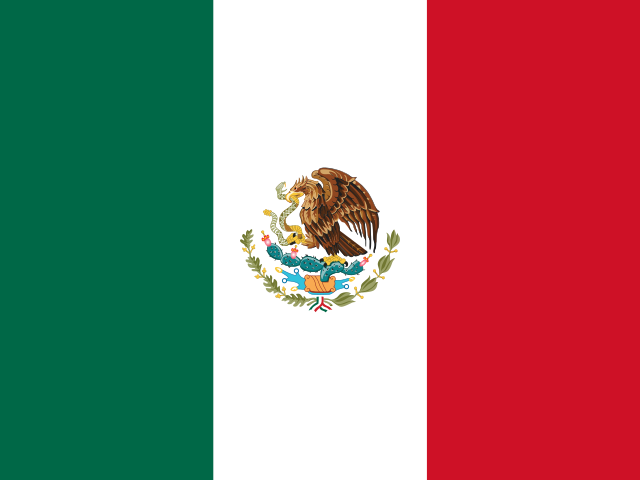 Mexico
 United States
