Quick Conversions
Aluminium Rod Price Per Kg — 10-Day Trend
All prices in ₹ per gram · daily rate, updated once per day
Aluminium Rod Price Per Kg in India Today
The aluminium rod price per kg in India sits at ₹0.29 today, based on the latest market feed for September 17, 2026. For buyers, that number is a reference point, not the final invoice. Rod stock moves through extra stages such as casting, extrusion or drawing, straightening, and dealer margins, so the finished quote can run higher than the underlying aluminium price today india benchmark.

That said, the base metal still sets the tone. MCX aluminium futures in Mumbai usually mirror the broader LME aluminium trend first, then local traders adjust for currency and duty. If LME grade A aluminium rallies overnight, rod suppliers in India rarely wait long.
- 1 kg: ₹0.29
- 10 kg: ₹2.86
- 100 kg: ₹28.58
- 1 metric tonne: ₹285.79
For a fabricator, the useful question is not only the aluminium rod price per kg, but whether the material is primary aluminium, a secondary recycled mix, or an alloy grade with tighter chemistry. That difference changes both the price and the end use.
Aluminium Rod Price Per Kg Across Units
Today's Aluminium rate is Less than One Rupees per gram. At this rate, 10 grams of Aluminium costs Three Rupees.
| Unit | Weight | Price (INR) | Price in Words |
|---|---|---|---|
| 1 Gram | 1.0000 g | ₹0.29 | Less than One Rupees |
| 8 Grams | 8.0000 g | ₹2.29 | Two Rupees |
| 10 Grams | 10.0000 g | ₹2.86 | Three Rupees |
| 100 Grams | 100.0000 g | ₹28.58 | Twenty Nine Rupees |
| 1 Kilogram | 1,000.0000 g | ₹285.79 | Two Hundred and Eighty Six Rupees |
| 1 Ounce (oz) | 28.3495 g | ₹8.10 | Eight Rupees |
| 1 Troy Ounce | 31.1035 g | ₹8.89 | Nine Rupees |
| 1 Metric Ton | 1,000,000.0000 g | ₹285,787.00 | Two Lakh Eighty Five Thousand Seven Hundred and Eighty Seven Rupees |
Why Rod Prices Track MCX and LME So Closely
Rod prices in India start with the international benchmark, not the workshop floor. LME aluminium is quoted in dollars per metric tonne, then the Indian market converts that value into rupees, adds import duty, applies GST, and folds in freight, finance cost, and the local supply position. That is why the same aluminium rod price per kg can look calm for weeks and then jump hard after a move in the dollar or a sharp shift on MCX.
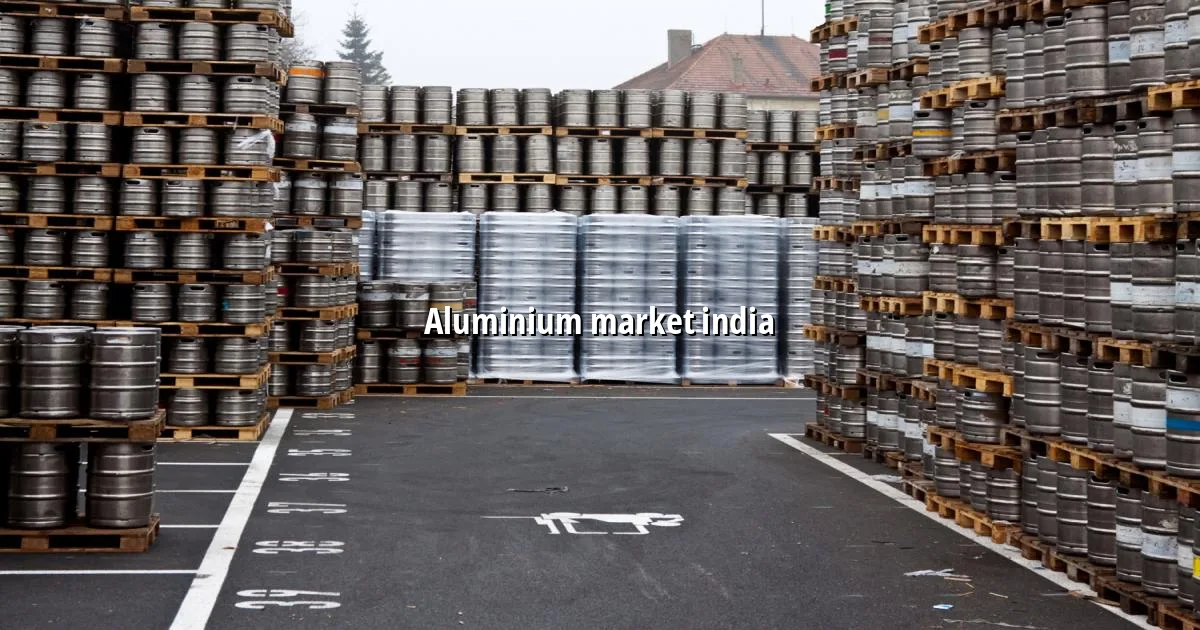
Primary metal, recycled feed, and alloy grades
Primary aluminium usually trades at the cleaner end of the market because it aligns with LME grade A standards. Secondary aluminium, which comes from scrap, can be cheaper, but the discount depends on contamination, sorting, and how much remelting work is needed. A rod made for electrical or precision use cannot be judged only on the headline per kg number; the mill cert, straightness, and alloy content matter just as much.
In the Indian market, rods and bar stock often sit in grades such as 1100, 6061, and similar commercial alloys, each with a slightly different premium. Packaging buyers, construction contractors, and cable makers all pull the market in different directions. Aluminium foil, window sections, and busbar stock do not consume the same product, even if they all start from the same base metal.
Smelter economics also matter. China still produces roughly 60% of global primary aluminium, so power tariffs, coal costs, and output restrictions there can push the benchmark around quickly. When that happens, the aluminium rod price per kg in India tends to follow because stockists and mills price from the same global sheet of numbers, just translated into rupees.
Aluminium Rod Price Per Kg — 10-Day History
The most recent Aluminium price on record (2026-09-17) is Less than One Rupees per gram.
| Date | Price (INR/g) | Change |
|---|---|---|
| 2026-09-17 | ₹0.29 | +0.00 |
| 2026-09-16 | ₹0.29 | +0.00 |
| 2026-09-15 | ₹0.28 | +0.00 |
| 2026-09-14 | ₹0.28 | 0.00 |
| 2026-09-13 | ₹0.28 | +0.00 |
| 2026-09-12 | ₹0.28 | 0.00 |
| 2026-09-11 | ₹0.28 | 0.00 |
| 2026-09-10 | ₹0.29 | 0.00 |
| 2026-09-09 | ₹0.29 | +0.00 |
| 2026-09-08 | ₹0.29 | — |
What Buyers Should Watch Before Placing a Rod Order
Rod buyers usually care about two things: delivered price and consistency. The first is easy to compare. The second is where people get caught out. A cheap quote can hide a softer alloy, poor dimensional control, or a recycled mix that does not suit the job. If the rod goes into electrical work, cable accessories, or light fabrication, paying a little more for stable quality often saves trouble later.
Seasonal demand also leaves fingerprints on pricing. Construction activity usually picks up ahead of summer, packaging demand leans stronger around festive months, and monsoon slows down site work in many cities. That rhythm does not move the market alone, but it does change stock levels at dealers, which is enough to nudge the aluminium rate higher for a few sessions.
For a longer view, watch MCX aluminium futures alongside the LME spot chart. That pair tells you whether the market is reacting to global supply, currency, or simple local buying pressure. India’s own smelting base from players such as Hindalco and Vedanta has improved over the years, yet the country still depends on imports for a chunk of its requirement. That import link keeps the aluminium rod price per kg tied to the world market, whether buyers like it or not.
Retail investors often ask whether aluminium behaves like gold or silver. It does not. There are no sovereign bonds, no metal SIP product, and no neat retail wrapper for aluminium in the way gold has digital holdings or silver has more visible household demand. For aluminium, the real market lives in procurement, stockyards, and futures screens.
Aluminium Rod Price Per Kg — FAQs
The aluminium rod price per kg in India today is ₹0.29 as of September 17, 2026. Fabricators usually track the underlying aluminium spot price, then add processing and dealer margins for rod stock.
It moves with MCX aluminium futures, LME aluminium spot trends, the USD/INR rate, freight, and import duty changes. Rod makers also pass through power costs and extrusion or drawing charges.
Not exactly. Ingot price reflects the primary metal benchmark. Rods usually cost more per kg because of conversion loss, alloying, surface finish, and the extra work needed to make rod stock ready for use.
At today\'s rate, 1 kg works out to about ₹0.29, while 10 kg comes to ₹2.86. Actual market quotes for finished rod can sit above this because of fabrication charges.
LME grade A aluminium is the global benchmark. Indian rod prices generally follow that base, then convert into INR and absorb customs duty, GST, and local supply-demand conditions. If LME jumps sharply, rod stockists usually revise quickly.
Many rods use primary aluminium or aluminium alloy grades depending on the application. Electrical and fabrication users often look for consistent chemistry and straightness, while recycled secondary aluminium can sell at a discount if the specification allows it.
