Quick Conversions
Silver Price — 10-Day Trend
All prices in ₹ per gram · daily rate, updated once per day
Four Ways to Invest in Silver in India
Today's silver reference rate is ₹234.87 per gram — the starting point for every route into silver, whether you want a coin in a locker or a line item in a demat account. Here's how the four main options actually differ in practice, not just in theory.
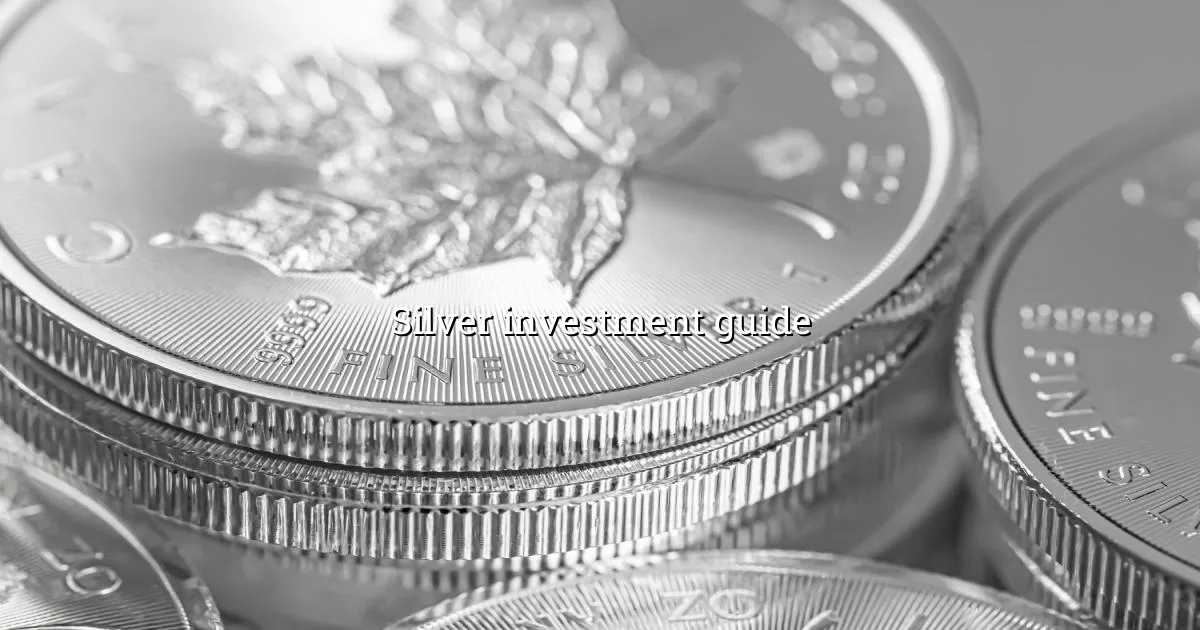
1. Physical silver — coins, bars, jewellery
The most familiar route: buy from a jeweller, bank, or bullion dealer, take delivery, and store it yourself. It's tangible and works well for festival gifting (Dhanteras silver coins are a well-known tradition), but you carry the storage risk and typically pay a making/minting premium above the spot rate, plus 3% GST.
2. Silver ETF
Buy units on the stock exchange through a demat account, with the fund holding physical silver on your behalf. No storage worries, generally tighter spreads than digital silver, but you need a trading account and the fund charges a small annual expense ratio.
3. Digital silver
Buy fractional silver through an app, often starting from very small amounts. Easiest entry point of the four, but usually carries a wider buy/sell spread than an ETF, and — like digital gold — isn't directly regulated by SEBI or RBI the way ETFs are.
4. Silver futures (MCX)
For traders rather than long-term holders — futures let you take a leveraged position on silver's price without owning any metal at all. Higher risk, higher complexity, and margin requirements mean this route suits experienced traders far more than first-time investors.
Silver Price by Weight
Today's Silver rate is Two Hundred and Thirty Five Rupees per gram. At this rate, 10 grams of Silver costs Two Thousand Three Hundred and Forty Nine Rupees.
| Unit | Weight | Price (INR) | Price in Words |
|---|---|---|---|
| 1 Gram | 1.0000 g | ₹234.87 | Two Hundred and Thirty Five Rupees |
| 8 Grams | 8.0000 g | ₹1,878.95 | One Thousand Eight Hundred and Seventy Nine Rupees |
| 10 Grams | 10.0000 g | ₹2,348.69 | Two Thousand Three Hundred and Forty Nine Rupees |
| 100 Grams | 100.0000 g | ₹23,486.90 | Twenty Three Thousand Four Hundred and Eighty Seven Rupees |
| 1 Kilogram | 1,000.0000 g | ₹234,868.99 | Two Lakh Thirty Four Thousand Eight Hundred and Sixty Nine Rupees |
| 1 Ounce (oz) | 28.3495 g | ₹6,658.42 | Six Thousand Six Hundred and Fifty Eight Rupees |
| 1 Troy Ounce | 31.1035 g | ₹7,305.25 | Seven Thousand Three Hundred and Five Rupees |
| 1 Metric Ton | 1,000,000.0000 g | ₹234,868,992.00 | Twenty Three Crore Forty Eight Lakh Sixty Eight Thousand Nine Hundred and Ninety Two Rupees |
What Makes Silver Different From Gold as an Investment
Silver's price behavior isn't just a smaller-scale version of gold's. Roughly half of global silver demand comes from industrial applications — electronics, solar panel manufacturing, and more — while gold's demand is overwhelmingly jewellery and investment. That structural difference is why silver tends to be more volatile than gold, amplifying both rallies and pullbacks, and why it can respond to industrial-sector news (a slowdown in electronics manufacturing, for instance) in ways gold typically doesn't.
Some investors treat this volatility as an opportunity — silver has periods where it outperforms gold sharply — while others prefer gold's relative steadiness as the larger part of a portfolio, with silver as a smaller, higher-conviction allocation. Neither approach is inherently right; it depends on your own risk tolerance and time horizon.
Silver Price — Last 10 Days
The most recent Silver price on record (2026-09-17) is Two Hundred and Thirty Five Rupees per gram. This is up by One Rupees from the previous day's rate of ₹234.04.
| Date | Price (INR/g) | Change |
|---|---|---|
| 2026-09-17 | ₹234.87 | +0.83 |
| 2026-09-16 | ₹234.04 | +2.28 |
| 2026-09-15 | ₹231.76 | -3.76 |
| 2026-09-14 | ₹235.52 | +0.56 |
| 2026-09-13 | ₹234.96 | 0.00 |
| 2026-09-12 | ₹234.96 | -0.44 |
| 2026-09-11 | ₹235.40 | +0.39 |
| 2026-09-10 | ₹235.01 | -8.60 |
| 2026-09-09 | ₹243.61 | +4.76 |
| 2026-09-08 | ₹238.85 | — |
Choosing the Right Route for You
If you want a tangible asset for gifting or tradition, physical silver fits best despite the storage and premium trade-offs. If you want low-cost, liquid price exposure and already have a demat account, a silver ETF is usually the most efficient. If you're starting small and want the lowest possible entry barrier, digital silver works — just watch the spread on repeated purchases. Futures are a different category entirely, meant for active trading rather than long-term holding.
This page is for general information, not investment or tax advice. Tax treatment, GST, and platform terms can change — confirm current rules and specific product terms before investing.
Investing in Silver — Common Questions
The main routes are: physical silver (coins, bars, jewellery), Silver ETFs (exchange-traded, SEBI-regulated), digital silver (bought via apps in small amounts, backed by physical vault holdings), and silver futures/options on MCX (for more active traders). Each has different cost structures, liquidity, and storage considerations.
Whether silver suits your portfolio depends on your goals and risk tolerance, not a single "right now" answer — silver is historically more volatile than gold due to its heavy industrial-demand component, which can mean sharper gains in strong markets and sharper drawdowns in weak ones. This page is educational, not a recommendation to buy or sell.
There's no universal ratio — it depends on your risk appetite and investment horizon. Some investors treat silver as a smaller, higher-volatility complement to a larger gold allocation, given silver's stronger link to industrial and manufacturing demand cycles. A financial advisor can help size this for your specific situation.
Digital silver platforms often allow purchases starting from a very small amount (sometimes under ₹100), making it the lowest-barrier entry point. Silver ETFs require a demat account but let you buy as little as one unit. Physical silver coins typically start around 1-10 grams depending on the dealer.
Physical silver purchases attract 3% GST, similar to gold. Capital gains tax applies when you sell at a profit — the exact treatment (short-term vs long-term rates) depends on your holding period and the specific investment vehicle (physical, ETF, or fund), and tax rules can change, so it's worth checking current income-tax provisions or consulting a tax advisor before a large transaction.
